Disclosure: This article contains affiliate links. If you buy through them we may earn a small commission at no extra cost to you. See our affiliate disclosure. This guide is general, researched information and is not a substitute for an exam by a reptile veterinarian.
The best way to heat most reptile enclosures is to copy the sun: an overhead heat source (usually a halogen flood bulb for day-active lizards and turtles, or a deep heat projector, ceramic heat emitter or radiant heat panel for night-active species and snakes) placed at one end to create a warm-to-cool gradient, controlled by a thermostat and checked with digital thermometers. Heat mats can help some small ground-dwelling species but should always run on a thermostat. Avoid heat rocks, and never rely on a heat source without a thermostat.
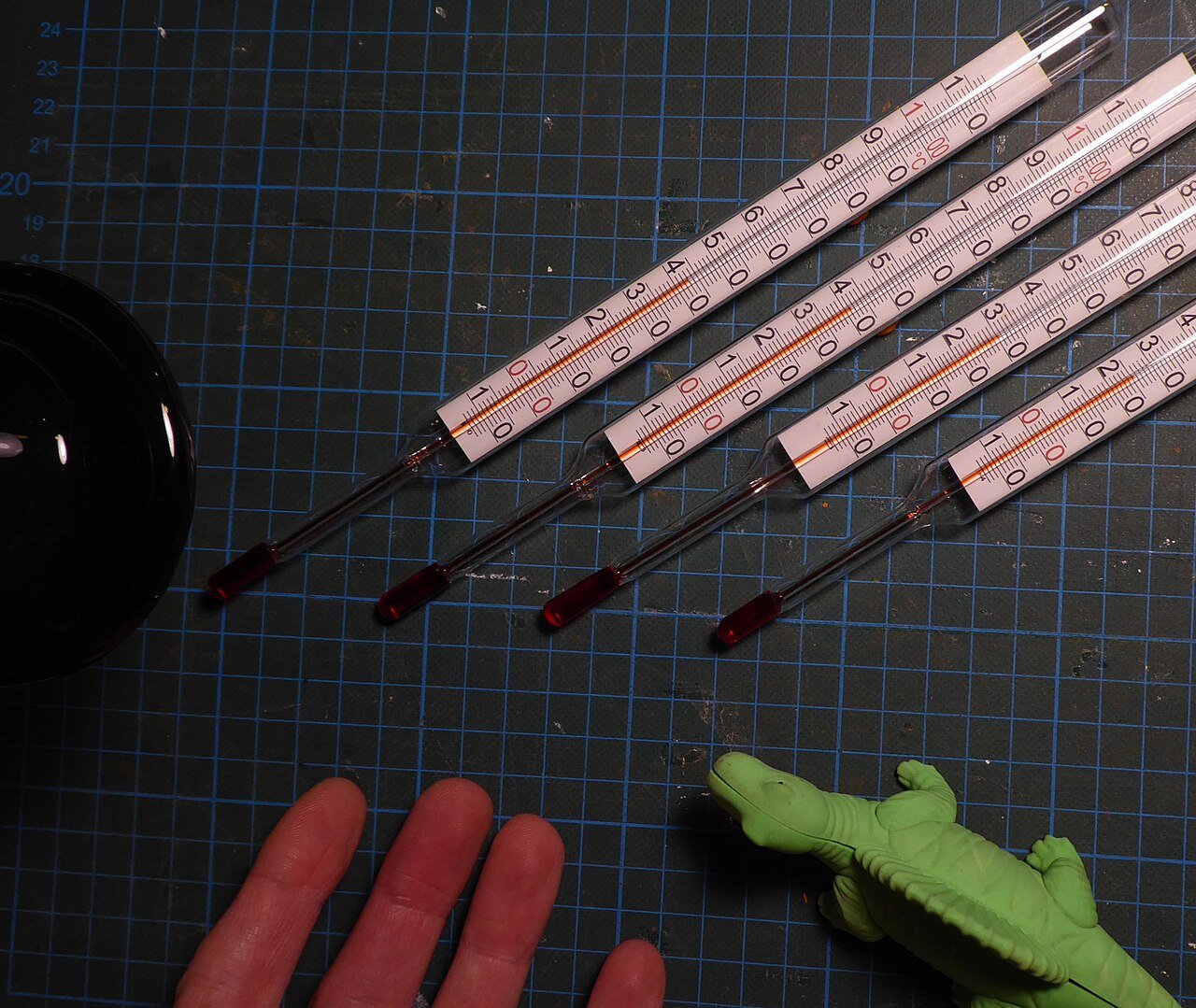
Below we compare the main heating options, give temperature targets for popular species, explain thermostats, and list the safety rules that prevent burns and fires.
Why reptiles need a heat gradient, not just “warmth”
Reptiles control their body temperature by moving between warmer and cooler areas. This is called thermoregulation. A good enclosure therefore has:
- A basking spot or hot spot at one end.
- A warm zone around it.
- A cooler end where the animal can drop its temperature.
- A night-time drop that suits the species.
Without a gradient, a reptile is forced to stay too hot or too cold, which affects digestion, immunity and behaviour. VCA and the Merck Veterinary Manual both note that improper temperatures are among the most common causes of illness in captive reptiles.
Heating options compared
| Heat source | Gives light? | Best for | Pros | Cons | Thermostat type |
|---|---|---|---|---|---|
| Halogen flood bulb | Yes (bright) | Day-active baskers: bearded dragons, uromastyx, iguanas, turtles | Closest to sunlight; heats surfaces and deeper tissues well; cheap | Must be off at night; needs a dome with ceramic socket | Dimming |
| Deep heat projector (DHP) | No (or very little) | Night heat; snakes, geckos | Infrared-A/B that penetrates deeply; no visible light | More expensive; can get very hot | Dimming or pulse-proportional |
| Ceramic heat emitter (CHE) | No | Night heat; snakes; humid setups | Long-lasting; no light | Mostly heats air; less “sun-like” | Pulse-proportional or dimming |
| Radiant heat panel (RHP) | No | Snakes, geckos, PVC enclosures | Even, gentle heat; mounted on ceiling; safe | Higher upfront cost; less suited to high basking temps | Pulse-proportional |
| Heat mat / under-tank heater | No | Small terrestrial species (e.g. leopard geckos), as a supplement | Cheap; belly heat | Burn risk without thermostat; heats only one surface | On/off or pulse |
| Mercury vapour bulb (UV + heat) | Yes | Large basking lizards and tortoises in big enclosures | UVB and heat in one bulb | Cannot be dimmed or thermostat-controlled; distance critical | None (use a timer) |
| Aquarium heater | No | Water for turtles | Keeps water temp stable | Needs a guard; turtles can break unprotected glass heaters | Built-in or external |
| Heat rock | No | Not recommended | None worth the risk | Known to cause serious burns | – |
Target temperatures for popular species
These are commonly published husbandry ranges. Use them as a starting point and measure at the animal’s level.
| Species | Basking / hot spot | Cool side | Night | Main heat source |
|---|---|---|---|---|
| Bearded dragon (adult) | 100-110°F (38-43°C) | 75-85°F (24-29°C) | 65-75°F (18-24°C) | Halogen |
| Leopard gecko | 90-94°F (32-34°C) surface | 70-77°F (21-25°C) | 65-72°F (18-22°C) | Halogen or DHP, or mat on thermostat |
| Crested gecko | 78-82°F (26-28°C) | 70-75°F (21-24°C) | 65-72°F (18-22°C) | Low-watt halogen or often room heat |
| Ball python | 88-92°F (31-33°C) | 75-80°F (24-27°C) | Above 72°F (22°C) | RHP, DHP or CHE |
| Corn snake | 85-88°F (29-31°C) | 72-78°F (22-26°C) | Room temperature, above 65°F (18°C) | Halogen, DHP or RHP |
| Green iguana | 95-100°F (35-38°C) | 80-85°F (27-29°C) | Above 75°F (24°C) | Halogen(s) plus background heat |
| Red-eared slider | 85-95°F (29-35°C) basking | Water 75-80°F (24-27°C) | Water heater only | Halogen + aquarium heater |
Species guides with full setup details: best heat lamp for bearded dragons, leopard gecko tank setup, crested gecko care sheet, ball python care sheet, and turtle basking and UVB.
Thermostats: the non-negotiable part
Every heat source except a mercury vapour bulb should run through a thermostat. A thermostat measures temperature with a probe and adjusts power to hold a set point. It is the single most important safety device in a reptile setup.
| Thermostat type | How it works | Use with |
|---|---|---|
| On/off | Cuts power when the set temperature is reached | Heat mats, CHEs (not light bulbs: they would flicker) |
| Dimming | Reduces power smoothly, like a dimmer switch | Halogen bulbs and DHPs |
| Pulse-proportional | Pulses power rapidly for very stable temperatures | CHEs, RHPs, heat mats (not light-emitting bulbs) |
Place the probe where the animal actually sits, such as on the basking surface or inside the warm hide, and secure it so the animal cannot move it. Check readings with a separate digital thermometer. Many keepers find these useful:
- Reptile dimming thermostats on Amazon
- Digital probe thermometers
- Infrared temperature guns for spot-checking surfaces
We have not tested specific models ourselves; look for reputable brands with good reviews and a clear warranty.
Step-by-step: heating a typical enclosure
- Pick the right heat source for your species (see tables above).
- Mount it at one end, over a basking platform for baskers or above the warm hide for snakes and geckos.
- Connect it to a thermostat of the right type and place the probe at animal level.
- Add a timer for light-emitting bulbs so they run a consistent day length (often 12 hours).
- Measure the gradient for 24-48 hours before adding the animal: hot spot, warm zone, cool end and night lows.
- Adjust by changing wattage, basking platform height or thermostat setting, not by moving the cool side closer to the heat.
- Re-check weekly, and whenever the seasons or room temperature change.
Safety rules
- Guard bulbs and emitters inside the enclosure with a cage so animals cannot touch them.
- Use ceramic-socket fittings rated above the bulb’s wattage.
- Never use heat rocks. They are a well-documented cause of serious burns.
- Do not stack heat sources without a thermostat on each.
- Keep cables tidy and dry, and use a drip loop.
- Turn off light at night. Coloured “night bulbs” can disrupt sleep. Use a non-light source if night heat is needed.
- Remember UVB is separate. Most heat sources provide no UVB. Day-active species also need a proper UVB light.
Burns, lethargy, refusal to eat and frequent respiratory infections can all be linked to incorrect heat. If you see burn marks, blisters or discoloured scales, or your reptile seems unwell, see a reptile vet.
Common heating mistakes
- Measuring air instead of surface temperature. A basking rock can be 15-20°F hotter than the air above it. Use an infrared thermometer for surfaces and a probe thermometer for air and hides.
- Relying on stick-on dial thermometers. They are often inaccurate and only measure the glass.
- Using one big bulb in a small tank. This overheats the whole enclosure and removes the cool side. A smaller wattage or a dimming thermostat works better.
- Heating a glass tank from both ends. The gradient disappears.
- Using red or blue “night” bulbs. Many vets now advise against them because reptiles may see the light and it can disrupt their day-night cycle.
- Ignoring the room. A heating setup that works in summer may fall short in a cold winter room. Re-check temperatures when the season changes.
Glass tanks vs PVC and wooden enclosures
The enclosure material changes how heat behaves. Glass tanks with mesh lids lose heat quickly through the top and are hard to keep humid. They usually need more wattage and a lamp sitting on the mesh, which filters some heat and UVB. PVC and wooden enclosures hold heat much better, let you mount lamps or radiant heat panels inside (behind a guard), and often need lower wattages. If you are struggling to reach temperatures in a glass tank, insulating three sides with a background or foam board can help a lot. See our tank size guide for size recommendations.
Heating for humid and aquatic setups
Tropical species such as ball pythons and crested geckos need heat that does not dry out the air too quickly. Radiant heat panels and DHPs tend to hold humidity better than strong halogen bulbs. For turtles, a guarded, thermostat-controlled aquarium heater keeps the water stable, while a separate basking lamp warms the platform. Always use a guard around glass aquarium heaters, as turtles can break them.
Frequently asked questions
Is a heat mat or a heat lamp better?
For most species, overhead heat is closer to nature and heats the animal more effectively. Heat mats can help small terrestrial species as a supplement, always on a thermostat.
Can I use a regular household bulb?
A household halogen flood bulb is often used in place of a branded reptile basking bulb. Old incandescent bulbs work less well. Always use a suitable dome, ceramic socket and dimming thermostat.
Do reptiles need heat at night?
Many species tolerate a natural night drop. If your room falls below the species’ minimum, use a CHE, DHP or radiant heat panel on a thermostat, not a light.
Where should the thermometer go?
At animal level: on the basking surface, in the warm hide and at the cool end. Ceiling-mounted readings can be very misleading.
What wattage heat bulb do I need?
It depends on enclosure size, height, room temperature and the species. Start mid-range (for example 75-100 W halogen for a 4x2x2 ft bearded dragon setup) and let a dimming thermostat fine-tune it.
Are heat rocks ever safe?
We do not recommend them. Even thermostat-controlled models can develop hot spots, and reptiles may not move away from them before getting burned.
Sources and further reading
- VCA Animal Hospitals: Lighting Requirements for Reptiles
- Merck Veterinary Manual: Routine Health Care of Reptiles
- RSPCA: Exotic and reptile pet care
- ARAV: Find a reptile vet
This article is general, researched information and does not replace advice from a qualified reptile veterinarian. Questions or corrections? Contact us at info@myhealthyreptile.com.
Related: bearded dragon tank size guide, care guides, reptile care basics, bearded dragons, leopard geckos, crested geckos and ball pythons.