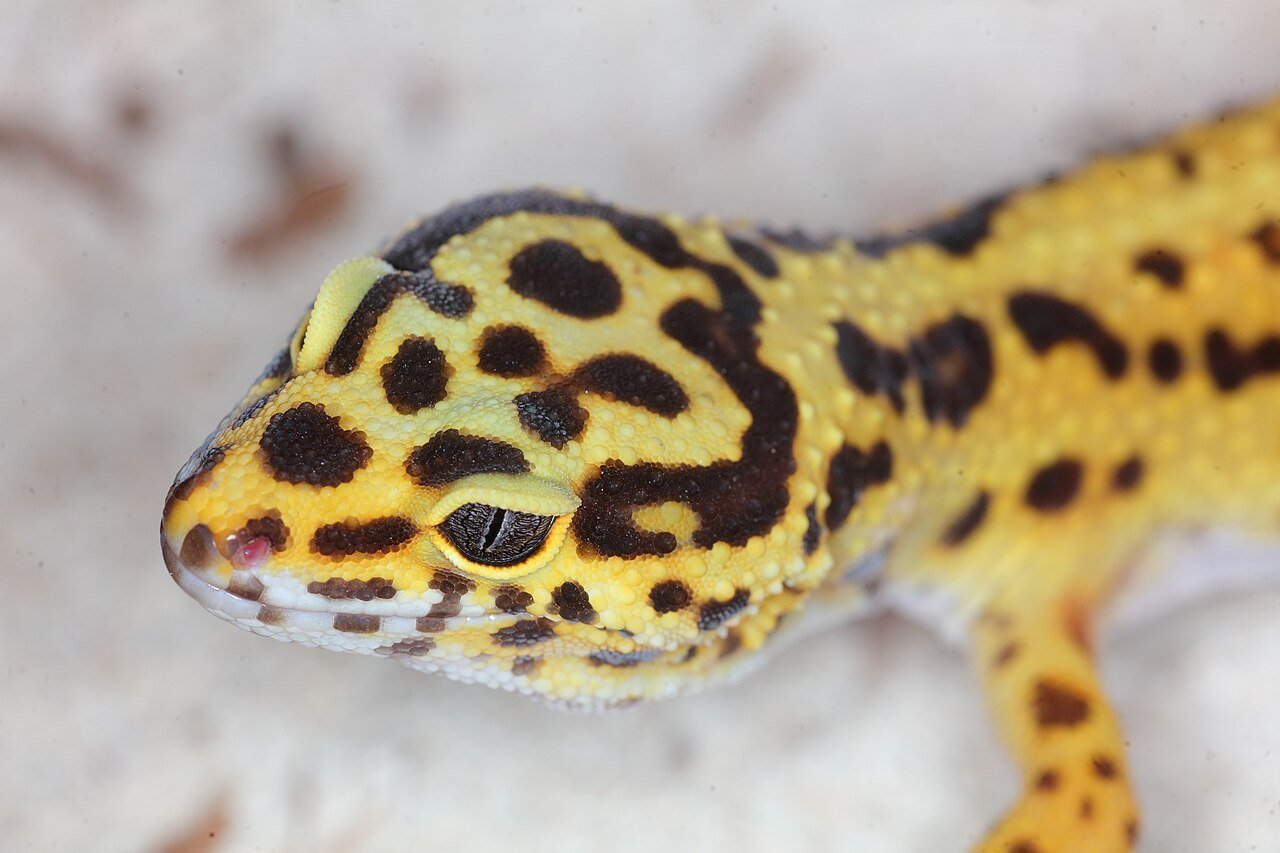
Leopard geckos (Eublepharis macularius) are among the most popular beginner reptiles: small, calm, nocturnal-to-crepuscular and long-lived (commonly 15–20 years with good care). They are insectivores that need a proper heat gradient, a warm belly-heat area and, according to current guidance, benefit from low-level UVB. This hub collects every leopard gecko guide on the site.
Leopard Gecko Quick Facts
| Adult size | About 18–25 cm (7–10 in) |
|---|---|
| Lifespan | Commonly 15–20 years |
| Minimum enclosure (one adult) | Many welfare groups recommend 120 × 60 × 60 cm (4 × 2 × 2 ft) or the largest you can provide; 40-gallon breeder (91 × 46 cm) is a common minimum |
| Warm-side surface | About 32–35 °C (90–95 °F) |
| Cool side | About 22–26 °C (72–78 °F) |
| Humidity | About 30–40%, with a humid hide for shedding |
| Diet | Live, gut-loaded insects dusted with calcium |
Start Here
- Leopard gecko care sheet: setup, diet, heat and UVB: the complete overview for new keepers.
- Leopard gecko tank setup: step-by-step guide: enclosure size, heating, hides and substrate.
- What do leopard geckos eat? Diet and feeding chart by age: insects, supplements and how often to feed.
Health & Troubleshooting
- Leopard gecko not eating? Common causes and when to see a vet
- Leopard gecko shedding problems: stuck shed on toes, tail and eyes
- Leopard gecko metabolic bone disease: signs, causes and prevention
- Leopard gecko dropped tail: what to do, healing and care
Choosing a Reptile
- What reptiles can you own in the UK?: how the leopard gecko compares with other beginner species.
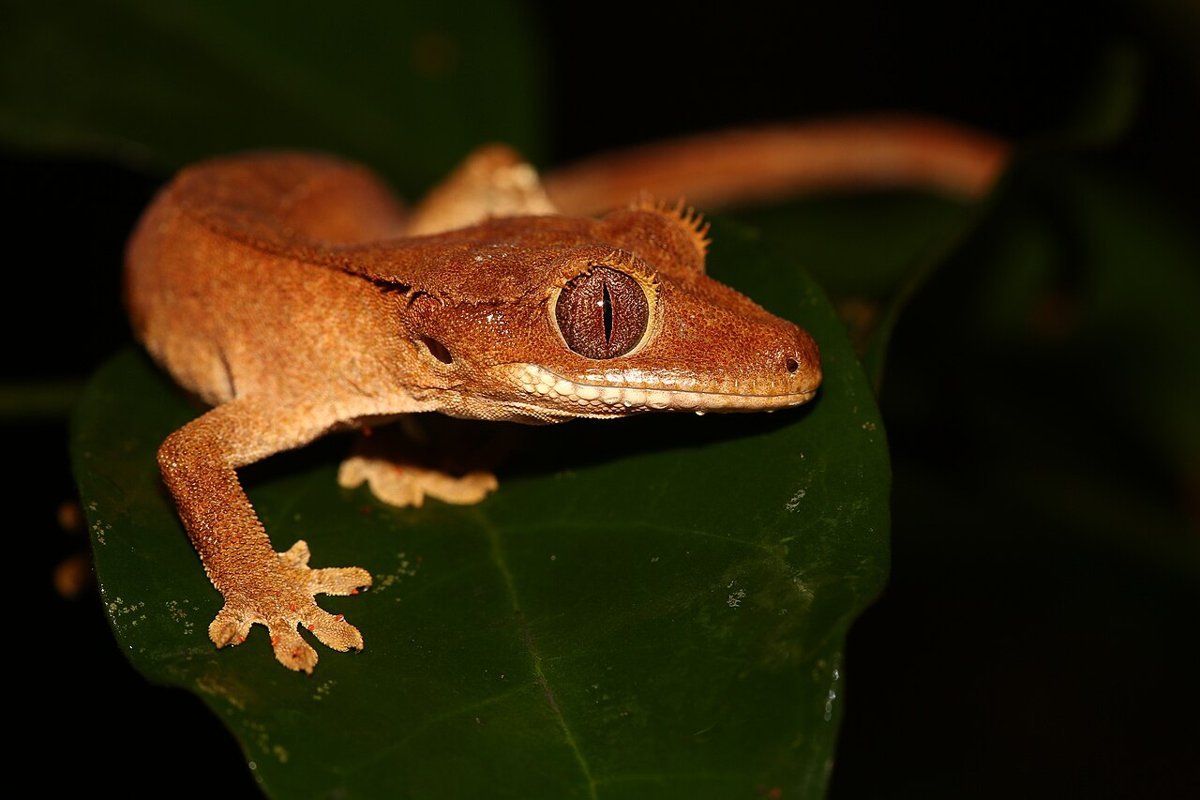
- Considering a different gecko? See our crested gecko guides.
Trusted Outside Resources
- VCA Animal Hospitals: Leopard Geckos: Care and Feeding
- ARAV: find a reptile vet
My Healthy Reptile guides are research-based summaries of veterinary and welfare guidance, not hands-on product testing. Always consult a qualified reptile vet about a sick animal.