Disclosure: This article contains affiliate links. If you buy through them we may earn a small commission at no extra cost to you. See our affiliate disclosure. This guide is general, researched information and is not a substitute for an exam by a reptile veterinarian.
A healthy ball python usually sheds its skin in one long, inside-out piece, from nose to tail tip. When the old skin comes off in patches, or pieces stay stuck to the body, tail tip or eyes, it is called a stuck shed, or dysecdysis. It is one of the most common problems ball python keepers run into, and in most cases it points back to the enclosure rather than to disease.
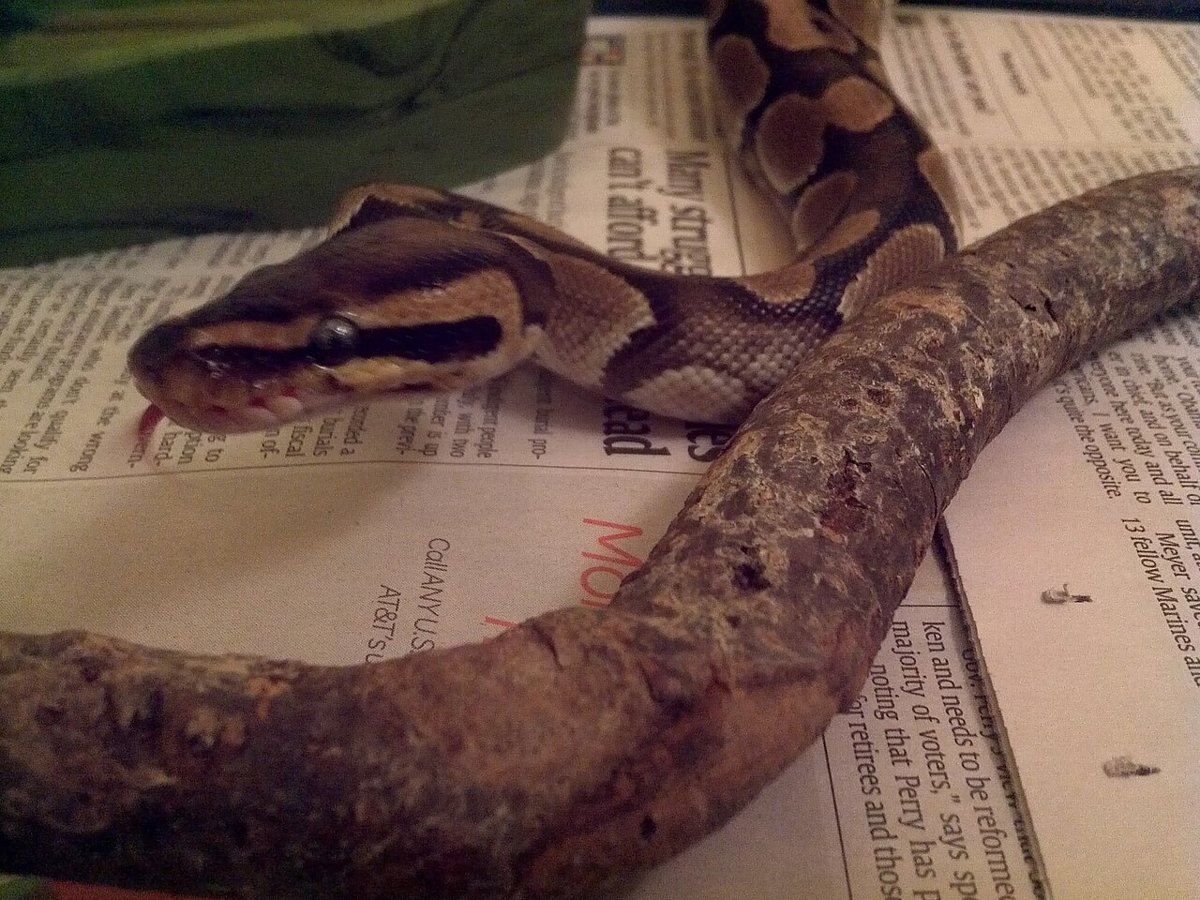
VCA Animal Hospitals describes dysecdysis as “a symptom of an underlying problem”, most often improper temperatures, humidity or nutrition. This guide covers how a normal shed should look, why sheds go wrong, gentle ways to help, what you should never do, and when stuck shed needs a vet.
What a normal ball python shed looks like
Knowing the normal cycle makes problems easier to spot:
- Dulling. The skin looks duller and the belly may turn slightly pink or milky.
- “In blue”. The eyes turn cloudy blue-grey as fluid builds up between the old and new layers. Vision is reduced, and many snakes become more defensive and hide more.
- Clearing. After several days the eyes clear again. The shed usually follows within a few days.
- Shedding. The snake rubs its nose on rough surfaces to start the shed, then crawls out of the old skin.
Young, fast-growing ball pythons shed more often than adults; it is common for juveniles to shed every month or so and adults less frequently. Many ball pythons refuse food while in shed, which is normal. Our ball python care sheet covers feeding schedules in more detail.
Check every shed skin
After each shed, lay the skin out and check it. A complete shed should include:
- Both clear eye caps (spectacles) at the head end.
- The full tail tip, ending in a fine point.
- No large missing sections.
VCA specifically advises checking that the spectacles came off with the rest of the skin.
Common causes of stuck shed
Low humidity (the most common cause)
Ball pythons generally need humidity around 60–80%. Many keepers find humidity drops sharply in winter when home heating runs, or in screen-topped tanks where moisture escapes quickly. A shed that comes off in flaky patches is a classic sign that humidity has been too low. Measure humidity with a digital hygrometer placed at snake level, not near the top of the enclosure.
Temperatures out of range
Temperatures that are too low or a missing warm-to-cool gradient can affect metabolism and shedding. Check the warm-side surface and ambient air against the targets in our care sheet.
No rough surfaces to rub against
Snakes start a shed by rubbing their snout and body against rough objects. A bare tank with only smooth plastic hides can make that harder. Cork bark, branches, rough rocks and textured hides all help.
Dehydration or poor body condition
A snake that is underweight, dehydrated or recovering from illness may shed poorly. Always provide a water bowl large enough for the snake to soak in.
Mites and skin problems
Snake mites, old scars, burns and skin infections can all cause patchy sheds. Signs of mites include tiny black or red moving specks on the snake or in the water bowl, crusty scales, and a snake soaking far more than usual. Vet Times notes that skin disease, mites and burns are possible underlying causes worth ruling out. Mites need proper treatment of both the snake and the enclosure, guided by a vet.
How to help a ball python with stuck shed
For a healthy snake with a few patches of retained skin on the body, these gentle steps are commonly recommended. Stop and contact a vet if anything looks red, raw, swollen or painful.
1. Fix the humidity first
Raise humidity into the 60–80% range for the next shed, and keep it there consistently. Options include:
- Covering part of a screen lid with a solid barrier such as plastic or a towel, while keeping some ventilation.
- Using a moisture-holding substrate such as cypress mulch or coconut husk, lightly moistened (damp, not soaking).
- Adding a humid hide: a hide box filled with damp sphagnum moss.
- Moving the water bowl closer to the warm side to increase evaporation (keep it out of direct contact with heat sources).
Avoid constantly wet substrate. Persistently soggy bedding can contribute to skin infections such as scale rot.
2. Offer a humid hide or “shed box”
A plastic tub with a snake-sized entry hole and damp moss inside gives the snake a high-humidity spot it can choose to use. Many snakes will settle in it for several hours and the retained skin often loosens on its own.
3. A supervised lukewarm soak
For stubborn patches, a short soak can help:
- Use a secure tub with ventilation holes and a few inches of lukewarm water, roughly body-temperature to the touch for you (around the mid-80s °F / about 29 °C is a commonly cited range). Check with a thermometer rather than guessing.
- Keep the water shallow enough that the snake can easily keep its head above it.
- Soak for about 15–20 minutes and supervise the whole time.
- Afterwards, let the snake crawl through a damp, warm towel held loosely in your hands. The friction often lifts loosened skin.
4. Gently remove only loose skin
Vet Times describes treatment as increasing humidity, warm water baths and gentle manipulation of retained skin with a wet cotton bud. The key word is gentle. If skin does not lift easily, leave it and try again after another humid cycle, or wait for the next shed. Problem areas sometimes take more than one shed cycle to resolve.
What not to do
- Never pull or peel skin that is still attached. Vet Times warns that retained skin should never be pulled off with force because the tissue underneath is easily damaged.
- Never try to remove retained eye caps yourself. The spectacle is part of the eye surface. Attempts to pick at it can scratch or permanently damage the eye. A vet can safely rehydrate and remove a truly retained spectacle.
- Don’t use oils, lotions or household products on the skin unless your vet has recommended a specific product.
- Don’t soak in hot water or leave a snake unattended in water.
- Don’t keep the enclosure soaking wet long-term.
Retained eye caps and tail tips
Eye caps
Retained spectacles can make the eye look dull, wrinkled or cloudy after the rest of the shed is finished. Be aware that some ball pythons normally have slightly wrinkled-looking spectacles, and attempting removal in that case could damage the eye. Because it is hard to tell the difference at home, a retained eye cap is a reason to see a reptile vet rather than to intervene. Often the next shed, under good humidity, removes it naturally, but your vet should make that call.
Tail tip
Retained skin at the tail tip can dry, tighten and restrict blood flow. Over time that may damage or kill the very end of the tail. If a soak and humid hide do not release it, or if the tail tip looks dark, dry or shrunken, contact your vet promptly.
When to see a reptile vet
Book a reptile vet visit if:
- One or both eye caps were not shed, or an eye looks cloudy, sunken or swollen after shedding.
- Retained skin forms a tight ring around the tail tip or another part of the body and does not release with gentle methods.
- Skin underneath looks red, raw, blistered, discoloured or smells bad.
- You see signs of mites.
- Stuck sheds keep happening even after you correct humidity and temperature.
- The snake is also lethargic, losing weight, wheezing or has bubbles at the mouth or nose.
The ARAV find-a-vet directory lists reptile-experienced vets.
Prevention checklist for a clean shed
| Area | Target |
|---|---|
| Humidity | About 60–80% at snake level, measured with a digital hygrometer |
| Humid hide | Damp sphagnum moss hide available, especially when the snake is in blue |
| Rough surfaces | Cork bark, branches or rough rocks to rub against |
| Water | Clean bowl large enough to soak in, changed regularly |
| Temperatures | Warm-to-cool gradient on a thermostat, checked with probes |
| Inspection | Check every shed skin for both eye caps and the tail tip |
For more ball python guides, visit our ball python hub.
Frequently asked questions
How long does a ball python shed take?
The full cycle, from dull skin and blue eyes to the actual shed, often takes one to two weeks. The shed itself usually happens within a few days of the eyes clearing.
Should I help my ball python shed?
Usually not, if humidity and setup are right. Intervene only if pieces stay stuck after the shed, and then use gentle methods such as a humid hide or a supervised soak. Never force skin off.
Is stuck shed dangerous?
Small patches on the body are usually a husbandry warning rather than an emergency. Retained eye caps and constricting skin on the tail tip can cause lasting damage and should be checked by a vet.
Can I feed my ball python while it is in shed?
You can offer food, but many ball pythons refuse it until after the shed. It is generally fine to wait until the shed is complete before offering the next meal.
Why does my ball python keep getting stuck sheds?
Repeated stuck sheds most often mean humidity is too low for part of the day or year. If correcting humidity and temperature does not help, a vet should check for mites, skin infection or other health problems.
Is it normal for a ball python to soak in its water bowl before shedding?
Occasional soaking around shed time is common. Constant soaking can be a sign of mites, overheating or low humidity, so look closer if it happens a lot.
Sources and further reading
- VCA Animal Hospitals: Common Problems in Pet Snakes
- Vet Times: Snakes: husbandry and common health problems
- Merck Veterinary Manual: Routine Health Care of Reptiles
This article is for general information only and does not replace advice from a qualified reptile veterinarian. Questions or corrections? Contact us at info@myhealthyreptile.com.
Related: what reptiles you can own in the UK, ball python feeding chart, what to do if your snake refuses to eat, and our ball python hub.