Disclosure: This article contains affiliate links. If you buy through them we may earn a small commission at no extra cost to you. See our affiliate disclosure. This guide is general, researched information and is not a substitute for an exam by a reptile veterinarian.
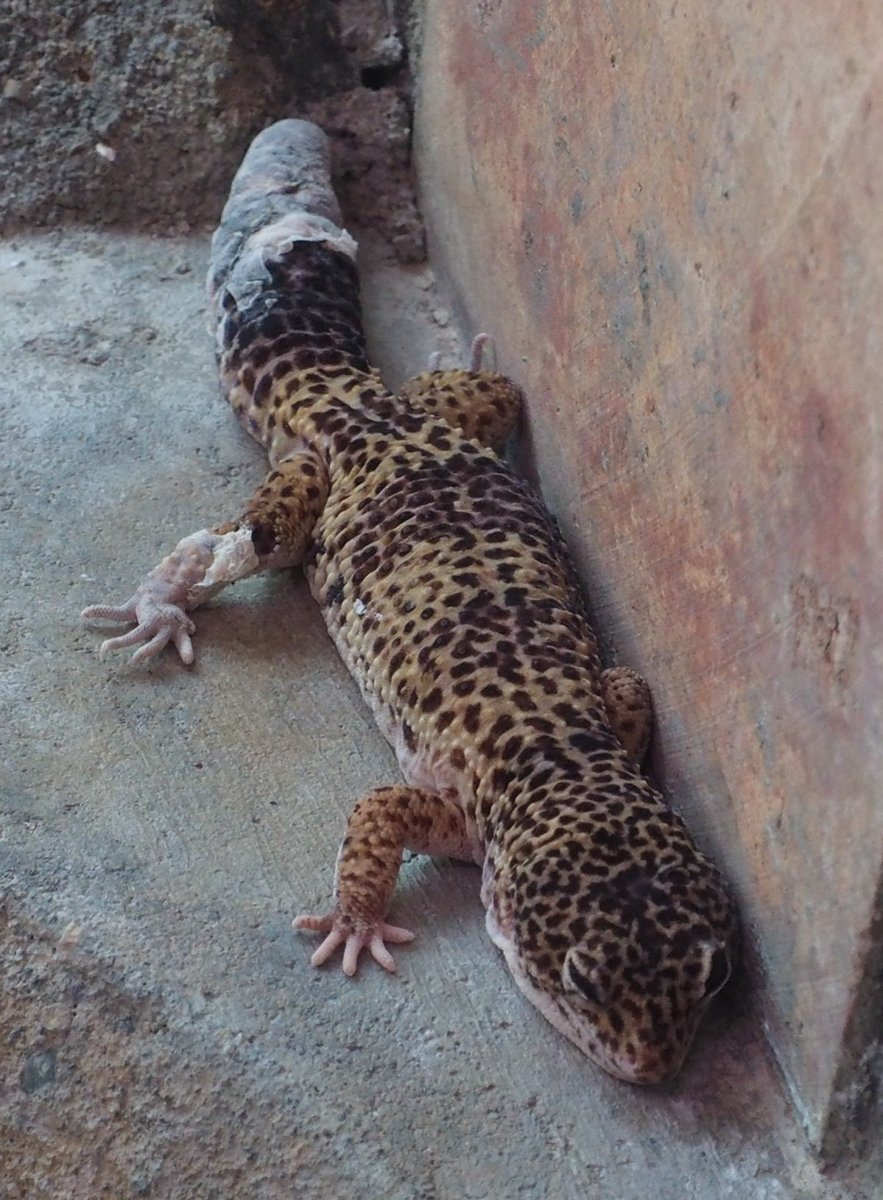
A leopard gecko that suddenly ignores its crickets is one of the most common worries for new keepers. The reassuring part: healthy adult leopard geckos store fat in their tails and can safely skip meals for days or even a few weeks, and appetite naturally rises and falls through the year. The less reassuring part: food refusal is also one of the first signs of husbandry problems and illness.
This guide walks through the normal reasons a leopard gecko stops eating, the setup problems worth checking first, the medical causes a vet will consider, and clear signs that it is time to book an appointment.
First: how worried should you be?
Before changing anything, answer three questions:
- How old is the gecko? Hatchlings and juveniles have small fat reserves and need frequent meals. A juvenile that refuses food for more than a few days deserves closer attention than an adult skipping a week.
- Is the tail still plump? A thick tail, roughly as wide as the neck or wider, means reserves are good. A tail that is getting thinner, or hips and ribs that look more visible, is a warning sign.
- Is the weight stable? The most reliable tool is a cheap digital gram scale. Weigh weekly at the same time of day and write it down. A gecko that is not eating but holding its weight is far less concerning than one that is losing grams week after week.
Normal reasons a leopard gecko may not eat
Shedding
Many leopard geckos lose interest in food for a few days before and during a shed. Their skin turns pale or grey and dull. Once the shed comes off (leopard geckos usually eat their shed skin), appetite should return. Check the toes, tail tip and eyelids afterwards for stuck pieces, which can cause discomfort.
A new home or recent change
Moving to a new enclosure, a new room, rearranged décor or lots of handling can put a gecko off food for one to two weeks. Keep handling to a minimum for the first couple of weeks after bringing a gecko home and let it settle.
Seasonal slow-down
Many leopard geckos eat less in late autumn and winter, especially if the room cools down and day length shortens. Some keepers see a gecko take only a few insects a week during this period. A slow-down is normal if weight stays stable and the gecko is otherwise alert.
Breeding season
Adult males often eat less during the breeding season, and gravid (egg-carrying) females may refuse food in the days before laying. A female who seems restless, digs a lot or has visible eggs through the belly should have a moist lay box available. Egg-binding is a veterinary emergency, so watch for straining or weakness.
Simply full or bored
An adult offered food every day may simply be satisfied. VCA suggests feeding juveniles every 1–2 days and adults 2–3 times per week. Some geckos also lose interest in a single feeder type and eat again when offered variety.
Setup problems to check first
Husbandry is behind a large share of appetite problems, so work through this list before assuming illness.
Temperature too low
Leopard geckos digest food using environmental heat. If the warm side is too cool, appetite drops. Most care guidance targets a warm-side surface around 88–92 °F (31–33 °C) under the heat source, a cooler side in the mid-70s °F (around 24 °C), and a night-time drop that stays above roughly 65 °F (18 °C). Measure with a digital probe thermometer and an infrared temperature gun, not a stick-on dial. Every heat source should run through a thermostat. Our leopard gecko tank setup guide covers heat placement in detail.
Not enough hides or security
A gecko that feels exposed may hide constantly and skip meals. Provide at least three hides: a warm hide, a cool hide and a humid hide with damp moss. Covering the back and sides of a glass tank can help a nervous gecko.
Wrong prey size or type
Feeders should be no longer than the space between the gecko’s eyes and no wider than its head. Oversized insects may be ignored or cause regurgitation. Try rotating between crickets, dubia roaches, black soldier fly larvae and occasional worms. Gut-load feeders for at least 24 hours before offering them.
Lighting and routine
A consistent day/night cycle helps regulate behaviour. Leopard geckos are most active around dusk, so offering food in the evening often works better than in the morning. Bright white lights left on at night can disrupt them.
Housing with another gecko
Cohabiting leopard geckos is a common source of chronic stress. A subordinate gecko may stop eating because a dominant tank mate controls the warm spot or the food. If you house two geckos together and one is losing weight, separate them.
Medical causes a vet will consider
If the setup checks out and the gecko keeps refusing food, an underlying health problem becomes more likely. Common possibilities include:
- Intestinal parasites. Parasites are common in reptiles, and a fecal test is a routine first step. Cryptosporidiosis is a particularly serious infection in leopard geckos that can cause severe weight loss and a wasting tail. It needs veterinary diagnosis and strict hygiene.
- Impaction. Swallowed loose substrate or oversized, hard-shelled prey can block the gut. VCA warns against substrates like coarse sand, corncob bedding and crushed walnut shell for this reason. Signs include a swollen or firm belly, straining and no droppings.
- Metabolic bone disease. Low calcium or vitamin D3 can cause weakness, a soft jaw that makes eating hard, and tremors. Insects should be dusted with calcium, and many current guidelines suggest low-level UVB is beneficial for leopard geckos too.
- Mouth infection (stomatitis). Redness, swelling or discharge around the mouth can make eating painful.
- Respiratory infection. Look for wheezing, bubbles at the nose or mouth, or open-mouth breathing.
- Stuck shed around the eyes that interferes with hunting.
- Reproductive problems in females, such as retained eggs.
Many of these conditions look the same from the outside, which is why guessing is risky. A reptile vet can examine the gecko and run a fecal test, and may suggest X-rays or bloodwork.
When to see a reptile vet
Book an appointment if:
- A hatchling or juvenile refuses food for more than a few days.
- An adult is losing weight on the scale, or its tail is visibly thinning.
- An adult has refused food for more than two to three weeks even with stable weight and good temperatures. This is a common rule of thumb, not a hard limit.
- Food refusal comes with lethargy, abnormal or runny droppings, no droppings, a swollen belly, regurgitation, wobbling or breathing changes.
Treat it as urgent if your gecko is limp, cold and unresponsive even after warming, has a hard or distended belly, is straining without passing anything, or has tremors. Bring a fresh fecal sample if you can; VCA recommends this for reptile vet visits. The ARAV find-a-vet directory can help you locate a reptile-experienced vet.
Tips to encourage a healthy gecko to eat
Once a vet has ruled out illness, or while you are fixing husbandry for an otherwise alert gecko with stable weight, these steps often help:
- Offer food in the evening when the gecko is naturally active.
- Use lively, appropriately sized insects. Movement triggers the feeding response.
- Try a different feeder species, or offer insects in a smooth-sided feeding dish so they cannot escape and hide.
- Remove uneaten crickets after 15–20 minutes. Loose crickets can stress or even nibble a resting gecko.
- Keep handling minimal until the gecko is eating reliably again.
- Avoid force-feeding or syringe-feeding unless a vet has shown you how and recommended it. Done wrong, it can injure the mouth or cause aspiration.
Quick troubleshooting checklist
| Check | What “good” looks like |
|---|---|
| Warm-side surface | Roughly 88–92 °F, verified with an IR thermometer, on a thermostat |
| Cool side | Mid-70s °F |
| Hides | Warm, cool and humid hides available |
| Prey | Correct size, gut-loaded, varied, dusted with calcium |
| Substrate | Not a loose substrate the gecko is swallowing |
| Housing | Housed alone, or separated if one gecko is losing weight |
| Weight | Recorded weekly and stable |
For the full setup and feeding routine, see our leopard gecko care sheet and browse more guides on the leopard gecko hub.
Frequently asked questions
How long can a leopard gecko go without eating?
A healthy adult with a fat tail can often go a couple of weeks without food, and some go longer during seasonal slow-downs. That does not make long fasts safe to ignore. Juveniles have far smaller reserves. Weight loss at any age is a reason to see a vet.
Why is my leopard gecko not eating but still active?
An alert, active gecko that is not eating is often reacting to shedding, a recent change, seasonal or breeding behaviour, or temperatures that are slightly off. Check your setup and track weight. If weight drops or refusal continues past a couple of weeks, consult a vet.
My leopard gecko only eats mealworms. Is that a problem?
Picky eating is common. Mealworms can be part of a varied diet, but relying on one feeder makes balanced nutrition harder. Try gradually introducing other insects, and keep dusting with calcium.
Should I leave crickets in the tank overnight?
It is better not to. Uneaten crickets can stress a gecko and may nibble it while it rests. Remove leftovers after a feeding session.
Can a leopard gecko stop eating because of the cold?
Yes. Low warm-side temperatures slow digestion and reduce appetite. Check the temperatures with accurate thermometers before anything else.
Is it normal for a leopard gecko to stop eating in winter?
A seasonal drop in appetite is common, especially in adults. Keep temperatures in range, keep offering food, and keep weighing. A slow-down with stable weight is usually not a concern. Steady weight loss is.
Sources and further reading
- VCA Animal Hospitals: Leopard Geckos – Care and Feeding
- VCA Animal Hospitals: Veterinary Care – New Reptile Visit
- Merck Veterinary Manual: Routine Health Care of Reptiles
This article is for general information only and does not replace advice from a qualified reptile veterinarian. Questions or corrections? Contact us at info@myhealthyreptile.com.
Related guides: what leopard geckos eat, choosing a beginner reptile and our crested gecko care sheet.