Disclosure: This article contains affiliate links. If you buy through them we may earn a small commission at no extra cost to you. See our affiliate disclosure. This guide is general, researched information and is not a substitute for an exam by a reptile veterinarian.
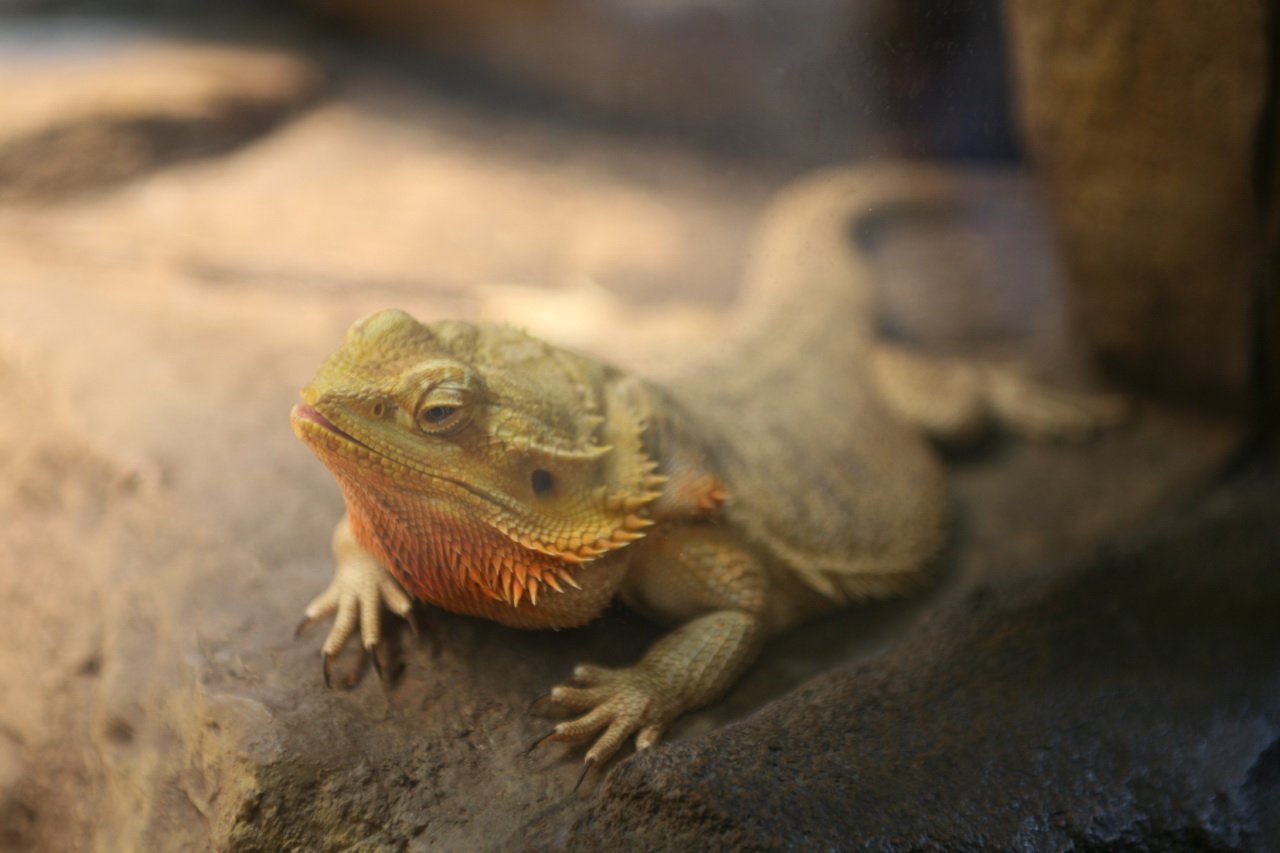
Brumation is a seasonal slowdown in which an adult bearded dragon sleeps more, eats little or nothing and basks less, usually in late autumn and winter. It is a natural behaviour in healthy adults, but the same signs (lethargy, no appetite, hiding) can also be caused by illness, parasites or a heating problem. That is why veterinary sources such as VCA Animal Hospitals advise against simply assuming your dragon is brumating. Check the setup first, weigh your dragon, and have a reptile vet confirm it is healthy.
This guide explains what brumation is, the typical signs and timeline, how to tell it apart from sickness, how to care for a brumating dragon week by week, and when to call a vet.
What is brumation?
Brumation is the reptile version of a winter rest. Unlike true mammalian hibernation, a brumating reptile is not deeply unconscious: it may wake up, move around, drink and even bask for short periods before going back to its hide.
Wild central bearded dragons (Pogona vitticeps) live in inland Australia, where winter runs roughly from May to August. VCA notes that daytime temperatures there fall to around 68–72 °F (20–22 °C) and nights to around 40–44 °F (4–7 °C). With cooler temperatures, shorter days and less food available, dragons become inactive and live off their fat reserves until spring, when the breeding season begins.
Pet dragons can still respond to seasonal cues, such as shorter days, cooler rooms and changes in light through a window, even when their enclosure is heated. That is why many owners first notice a slowdown in autumn.
Do all bearded dragons brumate?
No. Some adults brumate every year, some only occasionally and some never. Each pattern can be normal. A few points to keep in mind:
- Adults only, as a rule. Brumation is mainly seen in mature dragons. A baby or young juvenile that suddenly becomes lethargic or stops eating should not be assumed to be brumating. Young dragons have small fat reserves and need prompt attention.
- Length varies. Brumation can last from a few weeks to a few months, and the same dragon may behave differently from year to year.
- Depth varies. Some dragons simply eat less and sleep longer. Others hide for weeks and only come out occasionally to drink.
Signs your bearded dragon may be brumating
Common signs of a seasonal slowdown include:
- Sleeping longer and going to bed earlier
- Spending more time in a hide, on the cool side, or dug into the substrate
- Basking less often or for shorter periods
- Reduced appetite or refusing food completely
- Passing fewer droppings (because little or nothing is being eaten)
- Slightly darker colouring, which VCA lists as typical of brumating lizards
- Being slower and less interested in handling, but still alert when woken
A brumating dragon should still look in good body condition: a well-filled tail base, no sunken eyes, normal breathing, and no visible change in weight from week to week beyond small fluctuations.
Brumation or illness? How to tell the difference
This is the most important part. Many health problems look like brumation, including intestinal parasites, dehydration, impaction, respiratory infection, egg-binding in females, and metabolic bone disease. A failed heat lamp or worn-out UVB tube can also make a dragon sluggish and stop it eating.
| More consistent with brumation (after a health check) | Contact a reptile vet |
|---|---|
| Adult dragon, seasonal timing (usually autumn/winter) | Baby or young juvenile, or a slowdown at an unusual time of year with no other explanation |
| Gradual slowdown over days to weeks | Sudden collapse, weakness or unresponsiveness |
| Weight stays roughly stable | Steady weight loss, thinning tail base, sunken eyes |
| Fewer droppings because it is not eating | Diarrhoea, blood in droppings, straining, or a swollen belly |
| Normal, quiet breathing | Open-mouth breathing, wheezing, bubbles or discharge from nose or mouth |
| Alert and normal posture when woken | Tremors, twitching, limb weakness, swollen jaw or limbs, black beard that does not fade |
VCA points out that a dragon kept in a normal, warm enclosure in a home that is not cold may not be brumating at all and may be sick. Bearded dragons on a poor diet or carrying intestinal parasites can wake from brumation critically ill, which is why vets recommend a check-up before a dragon is allowed to rest.
Before brumation: a pre-brumation checklist
- Check the husbandry first. Measure the basking surface with an infrared thermometer and the warm and cool sides with digital probes. Compare them with the ranges in our heat lamp guide, and check the age of your UVB tube (see our UVB guide). Fix any equipment problems before assuming a seasonal slowdown.
- Book a reptile vet check. A wellness exam and a fecal parasite test are widely recommended before brumation. Exotic vet clinics such as Tree of Life Exotic Pet Medical Center call the pre-brumation exam the most important visit for brumating species. You can find a reptile vet through the ARAV vet finder.
- Record a baseline weight in grams. Use a digital kitchen scale and a container. Write down the date and weight.
- Let the gut empty. Many care guides suggest not feeding for a period before a dragon settles into a long rest, so undigested food is not left sitting in a cool gut. Continue offering water and baths for hydration, and ask your vet how long is right for your dragon.
How to care for a brumating bearded dragon
Heat and UVB
For pet dragons, many vets and care guides recommend keeping the normal temperature gradient and daytime UVB available rather than deliberately chilling the enclosure. The dragon can then choose to bask if it wakes up. Do not cool the enclosure to force a dragon into brumation unless a reptile vet has set out a specific plan for an individual animal. Inducing brumation by cooling is something experienced breeders do, and VCA stresses it should only be done with healthy dragons.
Keep your normal day/night light cycle on a timer. If your dragon sleeps through the day under the lights, that is fine as long as it has a cool area and a hide to retreat to.
Food
- Do not force-feed a brumating dragon.
- If it wakes and basks properly for a day or so, you can offer a small salad or a few insects. Remove uneaten live insects so they do not bother a sleeping dragon.
- Avoid feeding a dragon that is not basking. It needs warmth to digest food.
Water
Keep a clean, shallow water dish available. If your dragon is awake, you can offer a short, shallow, lukewarm bath every week or two to give it a chance to drink. Many dragons pass a dropping during a bath.
Weigh weekly
Weigh your dragon once a week using the same scale and container, and record the result. A small dip is expected when a dragon is not eating, but a healthy brumating adult should not show substantial, ongoing weight loss. If the weight keeps falling week after week, or the tail base looks thinner, contact your vet rather than waiting.
Minimise disturbance
Check on your dragon daily, but keep handling to brief checks and weigh-ins. Keep the room quiet and avoid placing the enclosure near cold draughts or radiators.
When brumation ends
Coming out of brumation is usually gradual. You will see your dragon basking for longer, becoming more alert and moving around more. Once it is warm and active:
- Offer a bath and fresh water first.
- Offer small meals at first, then return to the normal routine and supplements as appetite comes back. Avoid one big “catch-up” meal.
- Keep weighing weekly until appetite and weight are back to normal.
- Consider a post-brumation vet check, especially if your dragon lost noticeable weight.
If your dragon is awake and basking regularly but still refuses food, continues to lose weight, or seems weak, do not keep putting it down to brumation. See our guide to how long bearded dragons can go without food and book a vet visit.
Useful equipment
- Digital kitchen scale (grams) for weekly weigh-ins
- Infrared temperature gun to check the basking surface
- Digital probe thermometers for the warm and cool sides
- Outlet timer to keep the light cycle consistent
These are search links to help you compare options. We have not hands-on tested these products.
Frequently asked questions
How long does bearded dragon brumation last?
It varies. Some dragons slow down for a few weeks, others for a few months. If a slowdown goes on for much longer than a few months, or your dragon is losing weight at any point, talk to a reptile vet.
Can a baby bearded dragon brumate?
Brumation is mainly seen in adults. A baby or young juvenile that stops eating or becomes lethargic should be treated as a possible health or husbandry problem, not brumation.
Should I wake my bearded dragon up from brumation?
There is no need to wake a healthy, vet-checked dragon on a schedule. Do wake it for weekly weigh-ins and a chance to drink, and contact your vet if it shows any warning signs.
Should I turn off the heat and UVB during brumation?
For most pet dragons, keep the normal gradient and light cycle running so your dragon can bask when it wants to. Only change temperatures if your reptile vet recommends it.
Is it normal for a bearded dragon not to poop during brumation?
Fewer droppings is expected when a dragon is not eating. Straining, a swollen belly, or blood in droppings is not normal and needs a vet.
Sources and further reading
- VCA Animal Hospitals: Brumation in Bearded Dragons
- Tree of Life Exotic Pet Medical Center: Reptile Wellness Recommendations
- ARAV: Find a reptile vet
This article is general, researched information and does not replace advice from a qualified reptile veterinarian. Questions or corrections? Contact us at info@myhealthyreptile.com.
Related: bearded dragon behaviour guide, bearded dragon health, bearded dragon care guide and all bearded dragon guides.
Related: bearded dragon impaction and bearded dragon not eating.