Disclosure: This article contains affiliate links. If you buy through them we may earn a small commission at no extra cost to you. See our affiliate disclosure. This guide is general, researched information and is not a substitute for an exam by a reptile veterinarian.
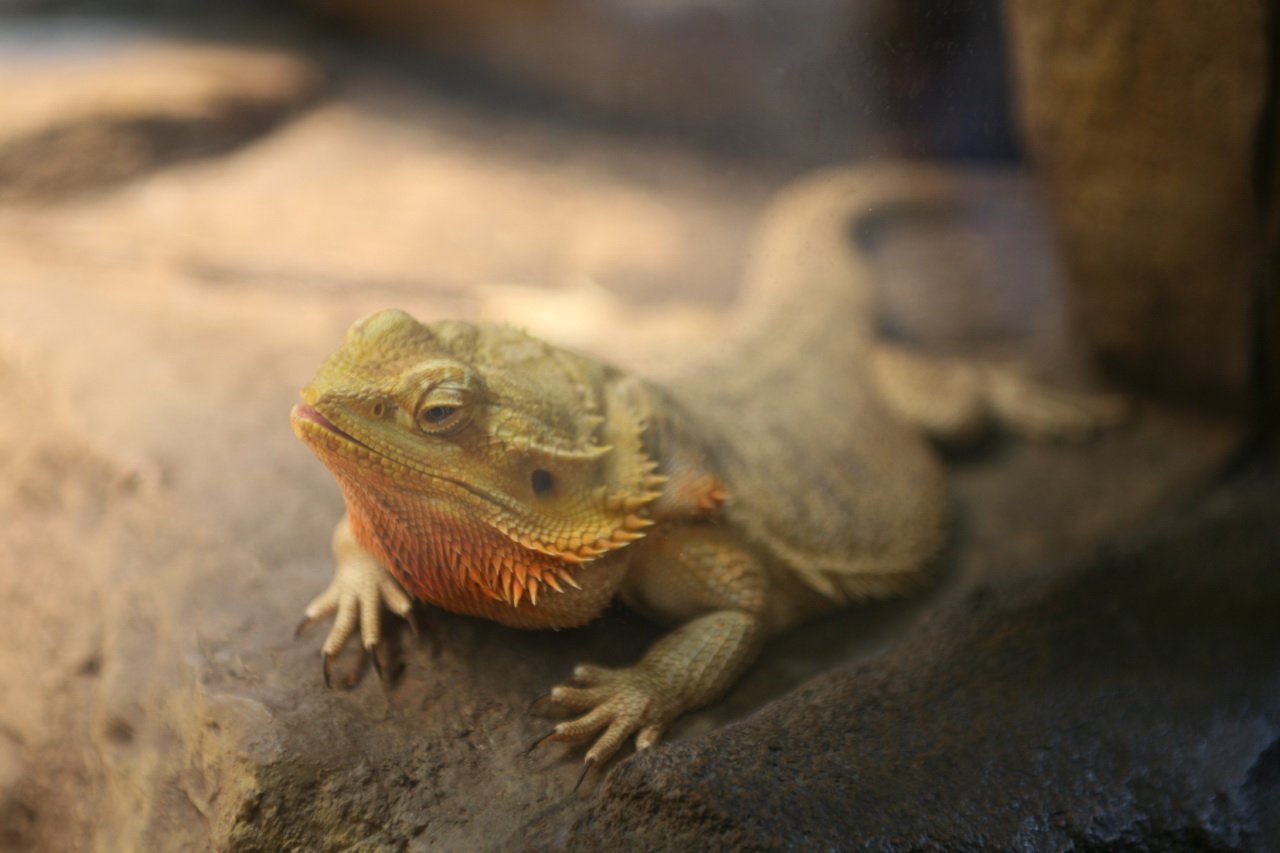
A bearded dragon that skips a meal is not always an emergency, but appetite loss is also one of the first signs of illness. Healthy adults may eat less around a shed, after a move, or during brumation. Juveniles should be eating regularly, and any dragon that is losing weight, lethargic, weak, constipated, or showing other disease signs needs a reptile vet rather than a wait-and-see approach. Do not force-feed, give oils, or use “appetite boosters” unless a veterinarian has prescribed a specific product and dose.
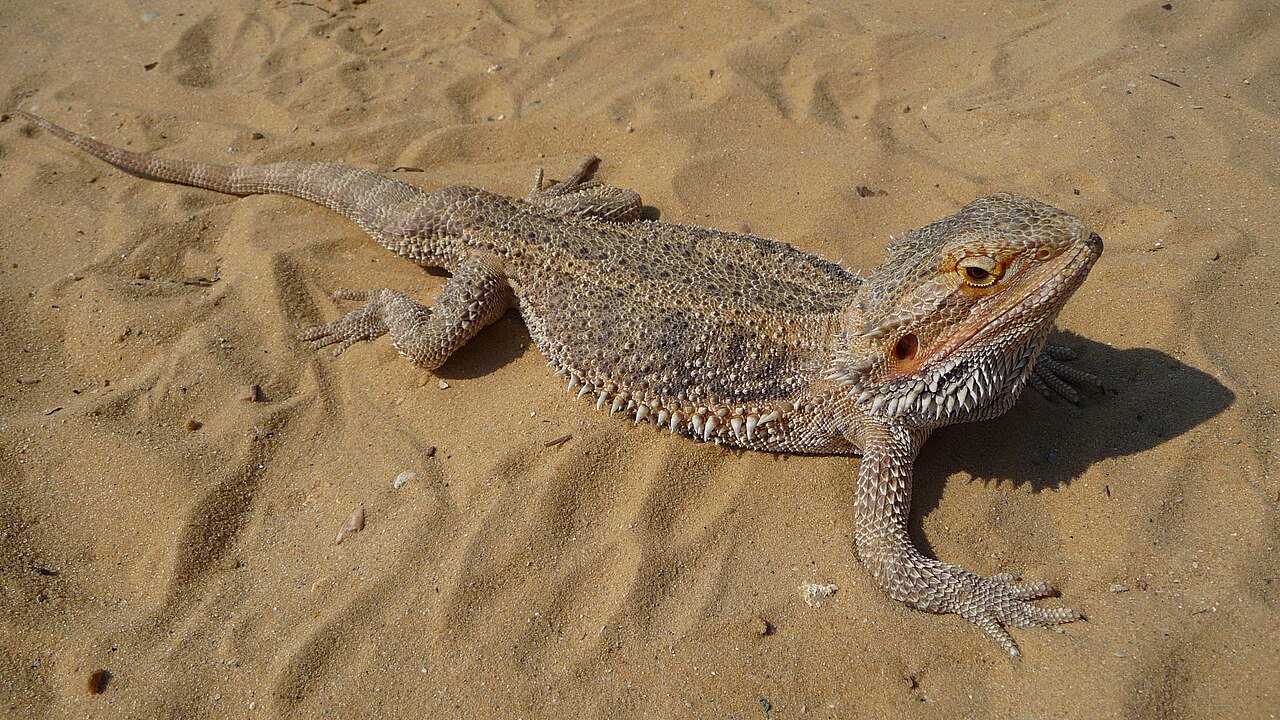
This guide covers common husbandry and health reasons a bearded dragon stops eating, how to tell a short, normal pause from a problem, what you can safely check at home, and when to book a vet visit.
First, decide whether this is a short pause or a problem
There is no single number of missed meals that is “safe” for every dragon. Age, body condition and other signs matter more than a calendar.
- Juveniles (especially under about 12 months) grow quickly and have smaller reserves. They typically eat daily or near-daily. A young dragon that stops eating is more urgent than a well-conditioned adult, and brumation is uncommon at this age. The Veterinary Center for Birds and Exotics notes that a missed week matters more for a growing dragon than for an adult.
- Adults often slow from daily feeding to every two or three days once growth levels off, which VCA Animal Hospitals describes around 10–12 months of age. A couple of skipped meals in a bright, well-weighted adult, especially around a shed or a household change, can be normal.
- Red flags at any age: weight loss, a thinning tail base or sunken fat pads above the eyes, lethargy that looks distressed rather than quietly sleepy, weak or shaky legs, a firm or bloated belly, no stool, diarrhea, discharge from the mouth, nose or eyes, a swollen jaw, or a dragon that is not basking normally.
Start a simple log: weight (a weekly figure on a gram scale is ideal), food offered, stools, and basking-surface temperature. The pattern for your dragon is more useful than a generic “days without food” chart. Our guide to how long bearded dragons can go without food is a useful companion.
Common husbandry causes
Temperatures that are too low or too high
Bearded dragons rely on external heat to digest food. If the basking surface is too cool, gut movement slows and appetite drops. A burned-out bulb, a thermostat set too low, or a chilly room can all be enough. Excess heat can also put a dragon off food. Check the basking surface with an infrared thermometer, not just the air temperature, and confirm the cool side is still in range. Our heat lamp guide and bearded dragon care guide cover target temperatures.
Lighting and UVB
UVB bulbs lose output over time even when they still look bright. Without adequate UVB, calcium metabolism suffers, energy falls, and appetite often declines. Replace tubes on the manufacturer’s schedule, confirm the fixture distance, and do not rely on a bulb that has been in place for a year or more. See our UVB lighting guide.
Shed, stress and a new home
Many dragons eat less for a short time while they are shedding, or after a move, a rearranged enclosure, or a lot of handling. Recently adopted dragons often need time to settle before they eat normally. Keep the setup stable, offer food on a regular schedule, and avoid extra handling until the dragon is bright and feeding again.
Diet fatigue or prey that is too large
Some adults become less interested in the same insects every day. That is not an excuse to offer unsafe foods, but rotating appropriate insects and keeping a fresh salad of suitable greens, as outlined in our feeding guides, helps. Prey that is too large can also put a dragon off food or contribute to gut stasis.
Brumation versus illness
Healthy adult bearded dragons may enter brumation in the cooler months, even in a heated indoor enclosure. They sleep more, hide more, and may eat little or nothing for weeks. This can look like sickness. As our brumation guide and veterinary hospital write-ups from VCA and Canobie Lake Veterinary Hospital explain, a brumating dragon should not lose a lot of weight, should not look thin or dehydrated, and should not have discharge, diarrhea, tremors or a swollen belly.
Brumation is much less typical in juveniles. If you are not sure, book a vet exam rather than assuming your dragon is “just brumating.” A check before or early in a suspected rest period is the safest way to confirm the dragon is healthy enough to rest. Do not force-feed a dragon that is truly brumating, and keep fresh water available. Weigh weekly. If weight falls steadily, treat that as illness until a vet says otherwise.
Health problems that turn off appetite
When temperatures, UVB, hydration and the enclosure look correct and the dragon is still not eating, a medical cause may be involved. These need a veterinary diagnosis, not a home remedy.
- Impaction or constipation. A firm or bloated belly, straining, no stool, and appetite loss can go together, especially if the dragon hunts insects off loose sand or other particulate bedding. See our guide to bearded dragon impaction.
- Parasites. Intestinal parasites can cause weight loss, diarrhea or a swollen belly, or quieter appetite loss with fewer obvious signs. A faecal exam is a common part of the work-up.
- Metabolic bone disease. A soft or swollen jaw, tremors, or weak back legs can make eating painful or difficult. Appetite loss with these signs is urgent. See metabolic bone disease in bearded dragons.
- Mouth rot and other infections. Swelling, cheese-like material, or discharge around the mouth, or bubbles from the nose, are reasons to see a vet promptly rather than waiting for the next meal.
- Egg binding in females. A gravid female may eat less, but retained eggs are a medical problem. A swollen abdomen, straining, or weakness should not be waited out.
- Other internal disease. Kidney or liver disease, adenovirus and other infections can all reduce appetite. “Not eating” is a sign, not a diagnosis.
What you can safely check at home
These steps are for a dragon that is still alert, while you review husbandry or wait for a vet appointment. They are not a substitute for an exam if red flags are present.
- Weigh the dragon and write the number down. Recheck in a few days. A falling weight changes the picture.
- Measure the setup. Basking surface, cool side, night temperature, and the age and distance of the UVB tube.
- Offer water. Refresh the shallow water dish. A supervised lukewarm, shallow soak may encourage drinking. Do not add soap, oils or salts, and never leave a weak dragon unattended in water.
- Keep offering food, but do not force it. Continue to offer an appropriately sized meal on a normal schedule. Remove uneaten insects so they do not bite the dragon or hide in the substrate. Do not syringe-feed, pry the mouth open, or use oils or human supplements unless a vet has given you a plan.
- Reduce stress. Hold off on handling, tank mates (bearded dragons should be housed alone), and major enclosure changes other than fixing heat or UVB.
When to see a reptile vet
Contact a reptile veterinarian, or an emergency clinic that sees reptiles, if:
- A juvenile has stopped eating, or an adult has gone more than a week or two without food and is not in a vet-confirmed brumation
- Weight is dropping, or the tail base and head fat pads look thinner
- The dragon is lethargic, weak, shaky, or not using the back legs normally
- The belly is firm, bloated or painful, or stools have stopped or become diarrhea
- There is discharge, swelling of the mouth or jaw, or bubbles from the nose
- You have corrected heat and lighting and there is still no improvement
Bring recent weights, temperature readings, a description of the diet and substrate, and photos of the enclosure. The vet may recommend a physical exam, faecal testing, blood work or radiographs, depending on the signs. Find a reptile vet through the ARAV vet finder before you are in a hurry.
How to lower the risk
- Keep a reliable basking gradient and replace UVB on schedule
- Weigh your dragon regularly, especially going into autumn and winter
- House one dragon per enclosure and keep handling calm and brief
- Feed appropriately sized prey and a regular salad of suitable greens
- Avoid loose calcium sand and other easy-to-swallow bedding, and do not feed insects off the floor
- Do not assume every winter slowdown is brumation, especially in a young or underweight dragon
Helpful supplies
- Digital gram scale for weekly weigh-ins
- Infrared thermometer gun to check the basking surface
- Digital thermometer / hygrometer
- T5 HO UVB fixture if your tube is due for replacement
These are search links to help you compare options. We have not hands-on tested these products.
Frequently asked questions
How long can a bearded dragon go without eating?
It depends on age and body condition. A short pause in a bright, well-weighted adult can be normal. A juvenile, a thin dragon, or any dragon with other signs of illness should be checked sooner. Do not use a long “maximum” from an internet chart as a reason to wait.
Should I force-feed my bearded dragon?
Not at home unless a veterinarian has shown you a method and a diet for your animal. Forced feeding can cause aspiration or injury, and it does not fix the underlying cause.
Is it normal for a bearded dragon not to eat while shedding?
A short dip in appetite during a shed is common. Appetite usually returns once the old skin is off. If the dragon is also weak, not passing stool, or the shed is stuck and severe, book a vet visit.
Could this just be brumation?
It might be, in a healthy adult during the cooler months. It might also be parasites, metabolic bone disease, impaction or another illness that looks similar. When in doubt, ask a reptile vet rather than guessing.
My dragon is still drinking. Does that mean it is fine?
Drinking is a good sign, but it does not rule out a problem. Watch weight, stools, activity and the other red flags above.
Sources and further reading
- Veterinary Center for Birds and Exotics, “Why Is My Bearded Dragon Not Eating?” — avianexoticsvet.com
- VCA Animal Hospitals, “Brumation in Bearded Dragons” — vcahospitals.com
- Canobie Lake Veterinary Hospital, “Brumation in Bearded Dragons” — canobievet.com
- Grayson Doss, DVM, DACZM, “Clinical Medicine of Bearded Dragons,” LafeberVet — lafeber.com/vet
- Association of Reptilian and Amphibian Veterinarians, find a vet — arav.org
Related: Bearded dragon hub · Brumation · Impaction · Metabolic bone disease · Care guide