Disclosure: This article contains affiliate links. If you buy through them we may earn a small commission at no extra cost to you. See our affiliate disclosure. This guide is general, researched information and is not a substitute for an exam by a reptile veterinarian.
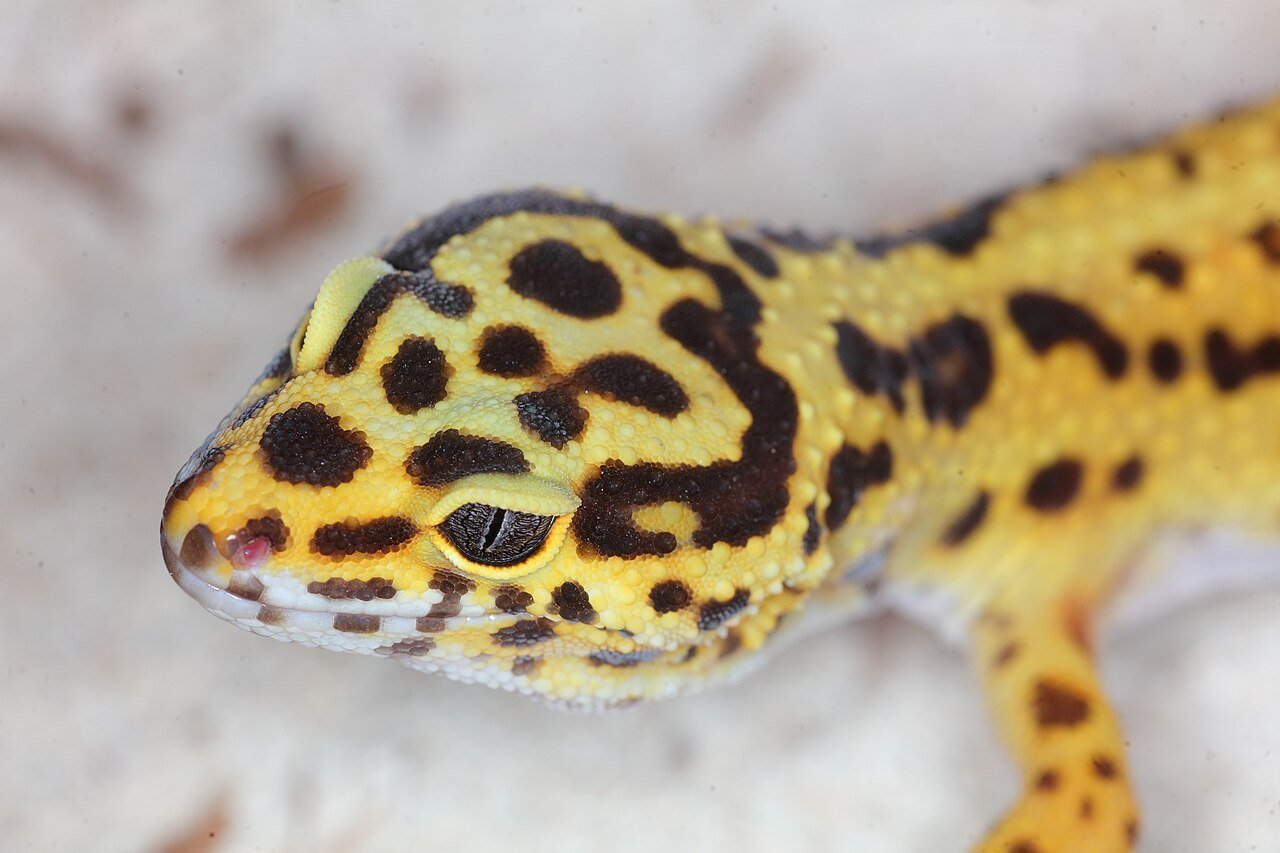
Metabolic bone disease (MBD), often called nutritional secondary hyperparathyroidism, is one of the most common serious illnesses in pet leopard geckos. It happens when calcium, phosphorus and vitamin D3 are out of balance, so the body pulls calcium from the skeleton to keep the heart and muscles working. Early signs can be subtle: a gecko that is less active, not eating well, or slightly trembly. Later signs include a soft or swollen jaw, bowed or swollen legs, tremors and fractures. MBD is a veterinary condition. There is no reliable home remedy once it has started, but good diet, heat and lighting prevent most cases.
This guide covers what MBD looks like in leopard geckos, why it develops, what the vet may do, and how to set up diet and lighting to prevent it. For a full husbandry overview, start with our leopard gecko care sheet.
What MBD is
In a PetMD review, Lauren Jones, VMD, describes metabolic bone disease as a condition that leaves bones weak, rubbery and easily broken, and that can also cause abnormal muscle twitching. When blood calcium falls, parathyroid hormone rises and calcium is taken from the bones. Fast-growing juveniles and egg-laying females have the highest demand, but any leopard gecko can be affected if diet or husbandry is wrong for long enough.
A 2011 veterinary review in Vet Times by Marie Kubiak notes that MBD is common in leopard geckos because they are often kept without UVB lighting, without vitamin and calcium supplementation, or without appropriate heat. Blood calcium can still look normal even in advanced cases, while phosphorus is often high, so a “normal calcium” result does not rule the disease out.
Signs of MBD in leopard geckos
Early signs are easy to miss or to blame on “shyness”:
- Reduced appetite or a gecko that seems less interested in hunting
- Lethargy, weaker climbing or walking, or a wobbly gait
- Subtle tremors or twitches, especially in the toes, legs or jaw
- Weight loss or a thinning tail, which stores fat in this species
As the disease progresses, keepers and vets more often see:
- A soft, swollen or misshapen jaw (“rubber jaw”) that can make it hard to bite or chew
- Bowed, swollen or crooked legs, or bones that feel unusually flexible
- Pathological fractures: bones that break during normal movement or gentle handling
- Constipation or difficulty passing stool, because calcium is also needed for muscle function
- In severe cases, seizures or an inability to move normally
Kubiak describes typical presentations as pathological fractures, twisted or bent long bones, an inability to feed because the jaw has softened, neurological signs or chronic wasting. Any of these is a reason to see a reptile vet the same day if you can, rather than waiting to “try more calcium” at home.
A gecko that has simply stopped eating can have many other causes, from temperatures that are too low to parasites. See our guide to a leopard gecko that is not eating as well, and do not assume MBD is the only possibility.
Why leopard geckos get MBD
Three things have to work together: calcium in the diet, a sensible calcium-to-phosphorus balance, and vitamin D3 so the gut can absorb that calcium. Break any link and the skeleton pays for it.
Diet and supplements
Leopard geckos are insectivores. Many feeder insects are naturally low in calcium and high in phosphorus unless they are gut-loaded and dusted. Our guide to what leopard geckos eat covers staples, amounts by age and how to gut-load. In broad terms, dust most feeders with a calcium powder and use a reptile multivitamin on a regular schedule. If you do not provide UVB, you will usually need a calcium powder that includes vitamin D3; if you do provide UVB, many keepers use plain calcium most of the time and a D3-containing or multivitamin product less often. The exact schedule should match your setup and, ideally, your vet’s advice. Too much vitamin A or D3 can also cause problems, so more powder is not automatically better.
Heat
Digestion and calcium metabolism depend on a proper temperature gradient. A gecko that cannot reach a warm-side surface of about 32–35 °C (90–95 °F) will not use its diet as well as it should. Check surfaces with an infrared thermometer and run every heat source on a thermostat, as described in our leopard gecko tank setup guide.
UVB lighting
Older hobby advice often said leopard geckos need no UVB if they get vitamin D3 in a powder. Veterinary sources are more cautious. Kubiak writes that leopard geckos will tolerate the absence of ultraviolet lighting if dietary calcium and vitamin D are adequate, but that it is preferable to provide low-intensity UVB with plenty of shade, especially for breeding females. PetMD notes that reptiles use UVB to make vitamin D3, which then regulates calcium and phosphorus. Our care sheet follows that middle path: low-level UVB (around Ferguson Zone 1) is beneficial, with plenty of shade, and calcium with D3 should be used if you do not offer UVB.
If you use a UVB tube, replace it on the manufacturer’s schedule. A bulb that still glows can already be putting out very little UVB.
What to expect at the vet
The vet will usually start with a husbandry history and a gentle physical exam, including the jaw and long bones. Radiographs are often used to judge how demineralised the bones are and to look for fractures. Blood work may be added. PetMD notes that ionized calcium can be low, phosphorus high and vitamin D3 low, but as Vet Times points out, blood calcium is not always abnormal.
Treatment is chosen for the individual gecko and may include oral or injectable calcium, fluids, nutritional support, pain relief, UVB, and correction of diet and temperatures. Fractures may need stabilisation. PetMD is clear that there are no home remedies that reverse MBD once it has started, and that correcting husbandry is essential but not a substitute for veterinary care. Handle a suspect gecko very gently: bones can break in your hands. Remove high climbing furniture so a weak gecko cannot fall. Kubiak notes that advanced cases with permanent damage to the bones, feeding or mobility may lead a vet to discuss euthanasia, while milder cases can improve over weeks to months with proper treatment. Cage mates kept the same way may be affected even if they still look normal.
Prevention
- Gut-load feeder insects and dust them on a consistent calcium and multivitamin schedule
- Keep a warm-side surface around 32–35 °C, controlled by a thermostat
- Offer low-level UVB with shade, or use a D3-containing supplement if you do not
- Replace UVB tubes on schedule and do not rely on sunlight through a window
- Weigh your gecko regularly and watch the tail for fat loss
- Pay extra attention to juveniles and females that may lay eggs
- Find a reptile vet in advance through the ARAV vet finder
Helpful supplies
- Reptile calcium powder (plain, and a version with D3 if you have no UVB)
- Reptile multivitamin powder
- Low-output UVB kit such as a ShadeDweller-style tube
- Infrared thermometer gun
- Digital gram scale
These are search links to help you compare options. We have not hands-on tested these products.
Frequently asked questions
Can a leopard gecko recover from MBD?
Milder cases often improve with veterinary treatment and corrected husbandry, though recovery can take months and some bone changes are permanent. Severe cases can be fatal or leave a gecko unable to eat or walk normally. Earlier treatment gives a better chance.
Can I treat MBD at home with extra calcium?
No. Adding more powder will not reliably fix an established case and can be harmful if the wrong supplement is overused. A vet needs to assess how weak the bones are and stabilise the gecko first.
Do leopard geckos really need UVB?
They can be kept without it if calcium and vitamin D3 supplementation is done carefully, but current veterinary guidance prefers low-level UVB with plenty of shade. Our care sheet recommends it as beneficial.
Is a thin tail always MBD?
No. The tail is a fat store, so a thin tail means weight loss. Parasites (including cryptosporidium), low temperatures and simple underfeeding can all cause it. It still deserves a vet check, especially if it is getting worse.
Why is my leopard gecko shaking or twitching?
Tremors can be a sign of low blood calcium from MBD and should be treated as urgent. Other neurological problems, including those linked to some morphs, can look similar, which is another reason to get a diagnosis rather than guessing.
Sources and further reading
- PetMD (Jones, VMD): Metabolic Bone Disease (MBD) in Reptiles
- Vet Times (Kubiak): Management, Care and Common Conditions of Leopard Geckos
- Lafeber Vet (Pollock, DVM, DABVP): Basic Information Sheet: Leopard Gecko
- ARAV: Find a reptile vet
This article is general, researched information and does not replace advice from a qualified reptile veterinarian. Questions or corrections? Contact us at info@myhealthyreptile.com.
Related: leopard gecko care sheet, what leopard geckos eat and all leopard gecko guides.
Related: leopard gecko shedding problems.