Disclosure: This article contains affiliate links. If you buy through them we may earn a small commission at no extra cost to you. See our affiliate disclosure. This guide is general, researched information and is not a substitute for an exam by a reptile veterinarian.
Leopard geckos eat only live insects. They are insectivores and cannot digest fruit or vegetables, so the diet is built around gut-loaded feeder insects such as crickets, dubia roaches, black soldier fly larvae and mealworms, dusted with calcium. Hatchlings and young juveniles usually eat every day, growing geckos every other day, and adults two to three times a week. Offer insects no longer than the space between the gecko’s eyes.
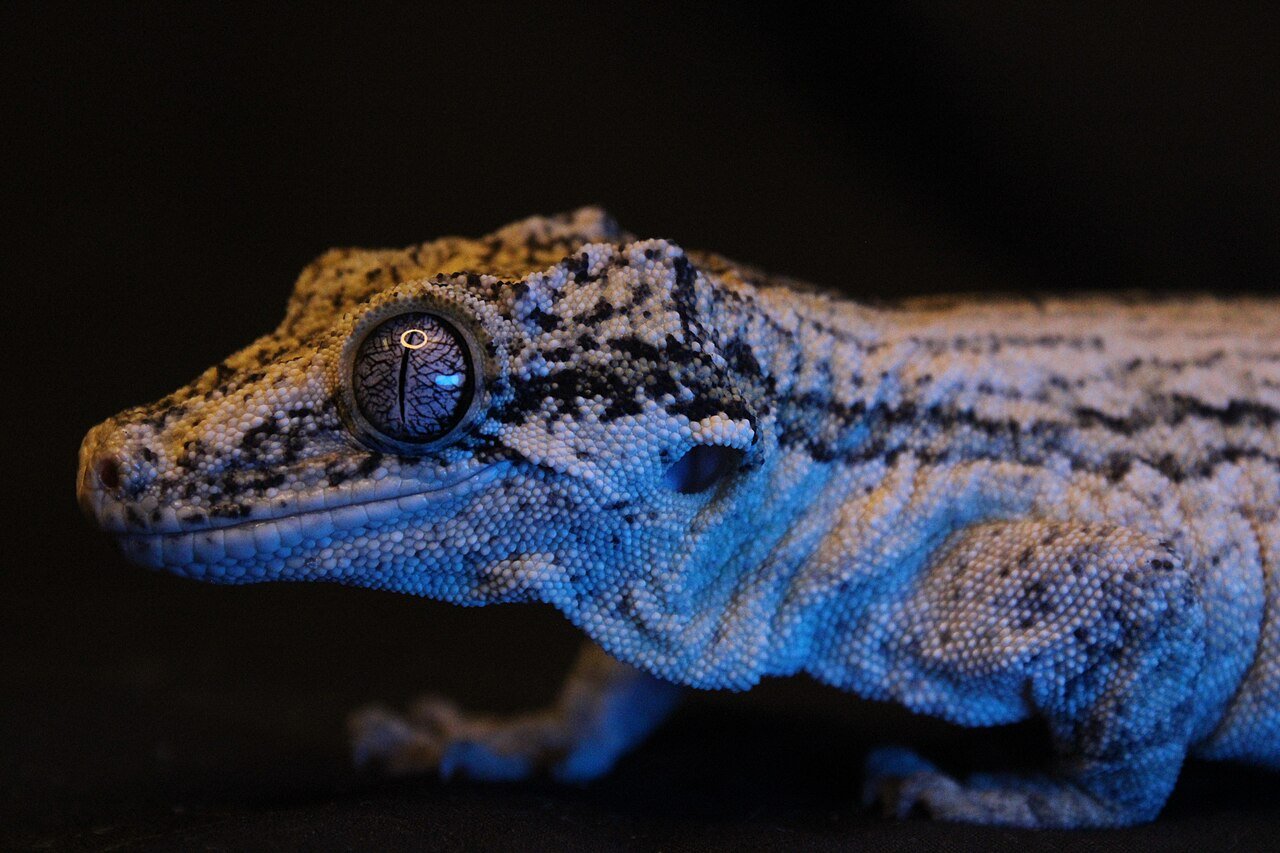
This guide covers the best staple and treat insects, a feeding chart by age, how to gut-load and dust feeders, and the mistakes that most often lead to health problems.
What leopard geckos eat in the wild
Leopard geckos (Eublepharis macularius) come from dry grassland and rocky scrub in Afghanistan, Pakistan, north-west India and Iran. They hunt at dusk and at night, eating beetles, crickets, spiders, larvae and other invertebrates. Pet diets try to copy that variety with insects that are easy to buy and keep.
Best feeder insects for leopard geckos
| Insect | Use as | Pros | Watch-outs |
|---|---|---|---|
| Crickets | Staple | Widely available, active, trigger hunting | Noisy, smell, can nibble a sleeping gecko if left loose |
| Dubia roaches | Staple | Meaty, easy to keep, do not climb smooth plastic or chirp | Illegal to keep or release in some areas (for example Florida); check local rules |
| Black soldier fly larvae (BSFL) | Staple or frequent | Naturally high in calcium compared with most feeders | Small; some geckos ignore them |
| Mealworms | Staple in rotation | Easy, can live in a dish | Higher fat and chitin; rotate with other insects |
| Silkworms | Frequent | Soft-bodied and nutritious | Pricier; short shelf life |
| Superworms | Occasional (adults) | Good for bulking an underweight adult | Fatty; too big for juveniles |
| Hornworms | Occasional | High moisture, good appetite boost | Grow fast; buy small |
| Waxworms, butterworms | Treat only | Very appealing | Very fatty; easy to create a picky or overweight gecko |
Never feed wild-caught insects (they can carry parasites or pesticides), and never feed fireflies, which are toxic to reptiles.
Leopard gecko feeding chart by age
| Age | How often | Roughly how many | Supplements |
|---|---|---|---|
| Hatchling to about 4 months | Every day | As many appropriately sized insects as it eats in 10-15 minutes, often 5-10 small insects | Calcium at most feedings; multivitamin once or twice a week |
| About 4-12 months | Every other day | About 6-10 insects | Calcium at most feedings; multivitamin once a week |
| Adult (over about 12 months) | 2-3 times a week | About 6-8 medium insects; adjust to body condition | Calcium most feedings; multivitamin about once a week |
These are common starting points from care guides, not fixed rules. Weigh your gecko in grams every couple of weeks. The tail is the best body condition guide: it should be roughly as wide as the neck in a healthy adult. A tail wider than the body, or bulges in the armpits, suggests overfeeding; a thin, stick-like tail suggests underfeeding or illness.
Gut-loading and dusting
Gut-loading
Feeder insects are only as nutritious as what they have eaten. Feed them a commercial gut-load diet or fresh greens such as collards, carrot and squash for 24-48 hours before offering them to your gecko.
Calcium and vitamins
- Calcium: lightly dust insects at most feedings. Many keepers also leave a small dish of plain calcium in the enclosure.
- Vitamin D3: if you provide low-level UVB (now widely recommended), plain calcium without D3 is usually enough. Without UVB, a calcium with D3 is used at some feedings. Ask your vet which fits your setup.
- Multivitamin: a reptile multivitamin with vitamin A (or beta-carotene) once a week or so.
Shake insects gently in a small cup with the powder so they are lightly coated, not caked.
- Reptile calcium powder (without D3)
- Reptile multivitamin powders
- Gut-load diets for feeder insects
- Feeding tongs and escape-proof worm dishes
How to feed
- Feed in the evening, when leopard geckos are naturally active.
- Check temperatures first. A warm spot of about 88-92°F (31-33°C) on the floor is needed for digestion. See our leopard gecko tank setup guide.
- Offer insects one at a time with tongs or release a few into the enclosure. Worms can go in a smooth-sided dish.
- Remove uneaten crickets after about 15 minutes so they do not bother the gecko.
- Keep fresh water available in a shallow dish at all times.
Common feeding mistakes
- Feeding only one insect type, especially only mealworms or waxworms.
- Skipping calcium, which can lead to metabolic bone disease (soft jaw, bowed legs, tremors).
- Insects that are too large, which can cause choking or regurgitation.
- Overfeeding adults, which leads to obesity and fatty liver problems.
- Offering fruit, vegetables or baby food. Leopard geckos cannot use them.
If your gecko has stopped eating, work through our leopard gecko not eating checklist.
Frequently asked questions
Can leopard geckos eat fruit or vegetables?
No. They are strict insectivores. Feed the vegetables to the insects (gut-loading) instead.
Can leopard geckos eat dead insects?
Most will only strike at moving prey. Some accept freshly killed or canned insects from tongs if you wiggle them, but live insects are the norm.
How long can a leopard gecko go without eating?
Healthy adults store fat in the tail and can skip meals for a week or two, and longer in cooler months. Juveniles have much smaller reserves. Weight loss or a shrinking tail means a vet visit.
Are mealworms bad for leopard geckos?
No. They are fine as part of a rotation. The problem is feeding mealworms alone.
Sources and further reading
- VCA Animal Hospitals: Leopard Geckos: Care
- Merck Veterinary Manual: Routine Health Care of Reptiles
- ARAV: Find a reptile vet
This article is general, researched information and does not replace advice from a qualified reptile veterinarian. Questions or corrections? Contact us at info@myhealthyreptile.com.
Related: leopard gecko care sheet, how to heat a reptile enclosure and all leopard gecko guides.