Disclosure: This article contains affiliate links. If you buy through them we may earn a small commission at no extra cost to you. We only recommend gear that meets current reptile care guidelines. See our affiliate disclosure.
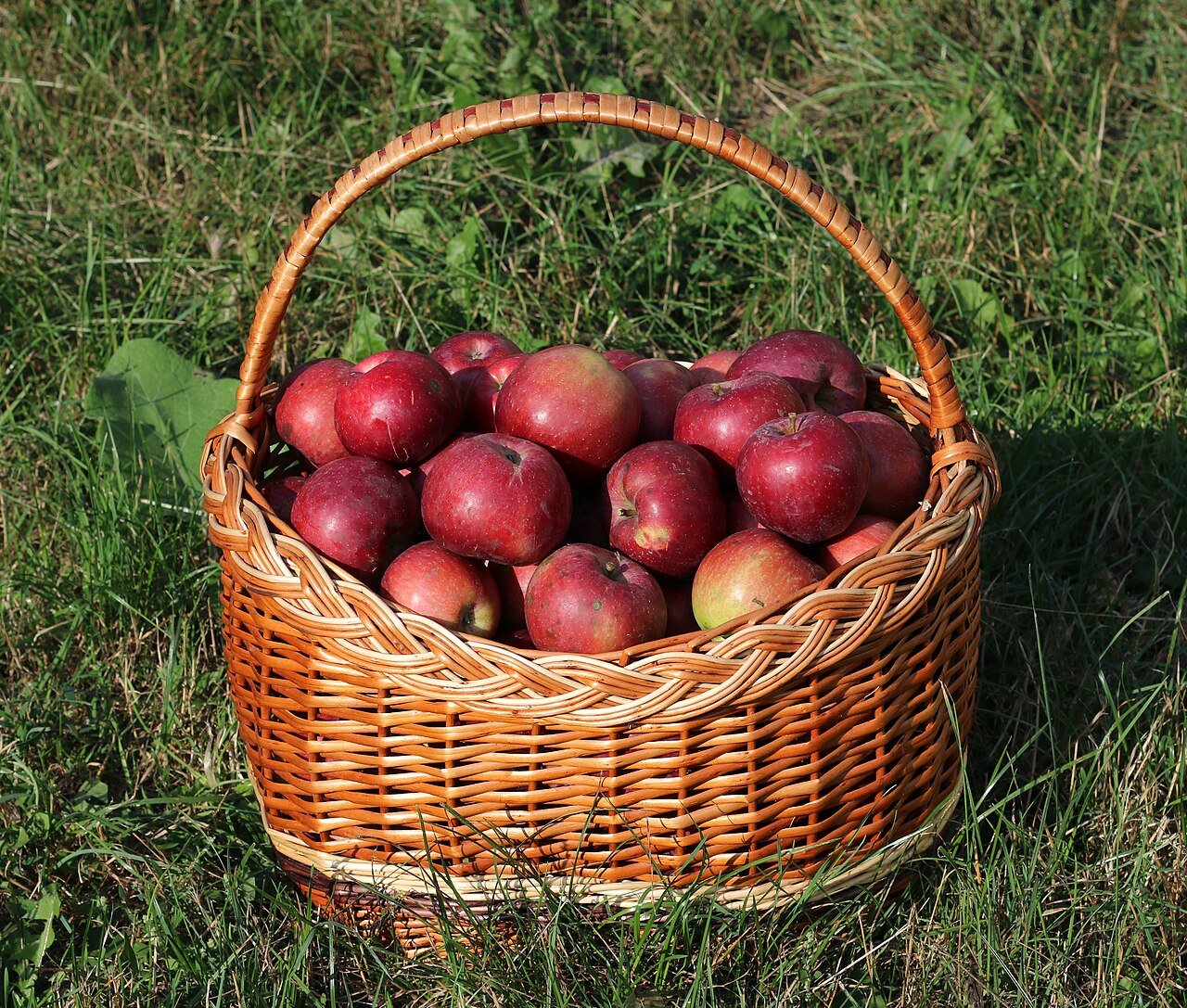
Yes, bearded dragons can eat apples, but only as an occasional treat. Apple is not toxic to beardies, and a few small pieces of peeled, seedless apple can add variety and hydration to the diet. The problem is nutritional balance: apples contain more phosphorus than calcium, a fair amount of sugar, and very little else a bearded dragon actually needs. That makes apple a “sometimes” fruit rather than a staple. This guide explains how much apple is safe, how often to offer it, how to prepare it, and how it fits into a balanced bearded dragon diet.
Quick answer
- Safe? Yes, in small amounts, with seeds and core removed.
- How often? Once every one to two weeks at most for adults; rarely or not at all for young juveniles.
- How much? Two to four small, thin pieces, roughly the size of the space between the dragon’s eyes.
- Peel? Peeling is recommended. It reduces pesticide exposure and makes the fruit easier to digest.
- Best type? Any common eating apple works. Tart green varieties have slightly less sugar than very sweet red ones.
Apple nutrition and what it means for a bearded dragon
The most important number when judging any food for a bearded dragon is the calcium-to-phosphorus ratio (Ca:P). Reptile vets and care guides generally recommend that the overall diet sits at roughly 1.5:1 to 2:1 in favour of calcium. Phosphorus binds calcium in the gut, so foods with more phosphorus than calcium work against bone health when they are fed often.
According to USDA nutrient data, 100 g of raw apple with skin contains roughly 6 mg of calcium and 11 mg of phosphorus, which works out to an inverted ratio of about 1:2. It also contains around 10 g of sugar per 100 g and is about 85% water. Fibre is moderate, and vitamin content is modest compared with leafy greens such as collard or mustard greens.
In practice this means apple is not dangerous in a single serving, but it does not contribute much. Fed too often, sugary fruit can lead to weight gain, loose stools, dental problems and, over time, a diet that is too low in calcium. Metabolic bone disease (MBD) is one of the most common health problems in captive bearded dragons and is directly linked to poor calcium intake and inadequate UVB lighting.
Why seeds and core must be removed
Apple seeds contain amygdalin, a compound that can release cyanide as it is digested. A single seed is very unlikely to harm a large human, but bearded dragons are small animals and there is no reason to take the risk. The core is also tough and fibrous, which can be a choking or impaction hazard. Always remove the seeds, the core and the stem before offering apple.
How to prepare apple for a bearded dragon
- Wash the apple thoroughly under running water, even if you plan to peel it.
- Peel it. The skin holds most pesticide residue and is harder to chew. Organic apples are a good choice if you prefer to leave a little skin on.
- Remove the core, seeds and stem.
- Dice or grate the flesh into pieces no larger than the space between your dragon’s eyes. Grating works well for juveniles or picky eaters.
- Mix it into a salad of staple greens rather than serving it alone. This encourages the dragon to eat its greens and keeps apple a small part of the meal.
- Dust the salad lightly with a calcium supplement if that day is a scheduled calcium day.
- Remove leftovers within a few hours so sugary fruit does not attract fruit flies or spoil in the enclosure.
Never feed apple sauce, dried apple, apple juice, apple pie filling or anything with added sugar, cinnamon or preservatives. Dried apple in particular concentrates sugar dramatically.
How often can bearded dragons eat apples?
A reasonable rule used by many reptile keepers is that fruit should make up no more than about 10% of a bearded dragon’s plant matter, and that sugary fruits should rotate rather than repeat. For an adult, that means a few pieces of apple once every week or two, alternated with other occasional fruits.
Juveniles have a diet that is mostly live insects with a smaller salad. Because they are growing quickly and need plenty of calcium, it is best to keep fruit very rare for young dragons. A tiny taste now and then is fine, but it should not replace greens or insects.
Apples compared with other fruits
Apple sits in the middle of the pack for occasional fruits. It is less sugary than banana or grapes, but its Ca:P ratio is still inverted. Here is how it compares with other fruits we cover:
- Blueberries: similar treat status, high in antioxidants, also an inverted Ca:P ratio.
- Bananas: much higher in sugar and phosphorus; even more occasional than apple.
- Grapes: high in sugar and must be cut up to avoid choking; a rare treat only.
For everyday feeding, focus on staple greens and vegetables. Our bearded dragon care hub links to full feeding guides, including safe and unsafe food lists.
Signs you are feeding too much fruit
- Runny or unusually smelly stools.
- Refusing greens and waiting for fruit or insects.
- Noticeable weight gain or fat pads behind the head becoming very large.
- Sticky residue around the mouth, which can contribute to mouth rot.
If you see these signs, cut fruit back to a minimum for a few weeks and focus on greens. If loose stools persist, or your dragon becomes lethargic, consult a reptile vet. Persistent diarrhoea can also be caused by parasites, which need a fecal test to diagnose.
Supplements and lighting still matter more than any single food
No fruit or vegetable will fix a diet that lacks proper calcium supplementation and UVB lighting. Bearded dragons need UVB to make vitamin D3, which they use to absorb calcium. A good-quality T5 UVB tube, replaced on schedule, does more for bone health than any feeding tweak. See our guide to the best UVB lights for bearded dragons for options and setup.
Most keepers dust insects with a phosphorus-free calcium powder at most feedings and use a multivitamin once or twice a week. A widely used option is Repashy Calcium Plus LoD, an all-in-one calcium and multivitamin designed for UVB-lit reptiles. Follow the label and your vet’s advice for frequency.
Heat matters too: digestion depends on a proper basking spot. If you are setting up or upgrading an enclosure, read our guides to the best heat lamp for bearded dragons and bearded dragon tank sizes.
A sample weekly menu including apple
This example is for a healthy adult bearded dragon. Adjust portions to your dragon’s size and appetite, and check with your vet if your dragon has any health conditions.
- Daily: a salad of staple greens such as collard greens, mustard greens, turnip greens or dandelion greens, with some squash or bell pepper.
- Two to three times a week: gut-loaded insects such as dubia roaches or black soldier fly larvae, dusted with calcium.
- Once a week: a small amount of one fruit mixed into the salad. One week might be apple, the next blueberries, the next a little mango.
Frequently asked questions
Can baby bearded dragons eat apples?
Baby and young juvenile dragons are better off without fruit, or with only a tiny, very occasional taste. They need a calcium-rich diet built mostly on insects and greens while they grow.
Can bearded dragons eat apple skin?
A small amount of well-washed skin is not toxic, but peeling is recommended because the skin can carry pesticide residue and is harder to chew and digest.
Are green apples better than red apples?
Green varieties such as Granny Smith are usually slightly lower in sugar, which makes them a marginally better choice. The difference is small, and either is fine as an occasional treat.
Can bearded dragons eat dried apple or apple sauce?
No. Dried apple concentrates the sugar, and commercial apple sauce often contains added sugar or preservatives. Stick to small pieces of fresh apple.
What if my bearded dragon ate an apple seed?
A single seed is unlikely to cause harm, but watch your dragon for lethargy, unusual breathing or loss of appetite. If you are worried, or your dragon ate several seeds, call a reptile vet.
Can bearded dragons drink apple juice?
No. Juice is concentrated sugar without the fibre. Offer fresh water and regular misting or baths instead for hydration.
The bottom line
Apples are safe for bearded dragons as a small, occasional treat. Peel them, remove the seeds and core, dice them small and mix them into a salad no more than once every week or two. Keep the focus of the diet on calcium-rich greens, gut-loaded insects, proper supplements and good UVB, and apple can be an enjoyable bit of variety without causing problems.