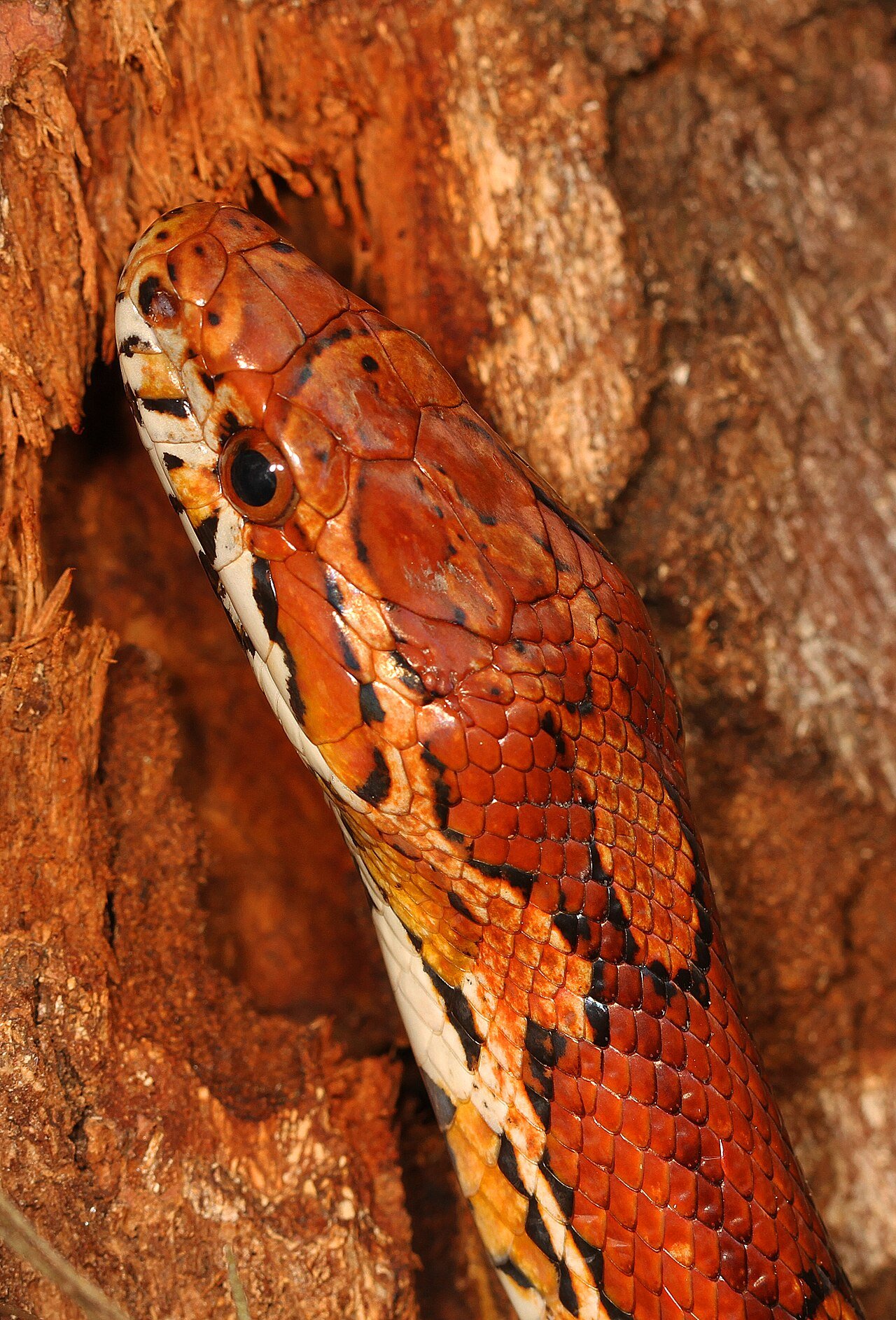
Short answer: In the UK you can legally keep most commonly kept reptiles without a licence, including bearded dragons, leopard geckos, corn snakes, royal (ball) pythons, crested geckos, and even large constrictors. You need a Dangerous Wild Animals (DWA) licence from your local council for venomous snakes, Gila monsters and beaded lizards, and crocodilians. Some tortoises need an Article 10 certificate before they can be sold. And whatever you keep, the Animal Welfare Act 2006 makes you legally responsible for meeting its needs.
This is a general guide, not legal advice. Laws change, so check with your local council and the Animal and Plant Health Agency (APHA) before buying.
1. Species that need a Dangerous Wild Animals licence
The Dangerous Wild Animals Act 1976 covers England, Wales and Scotland. Its schedule was last substantially updated by the Dangerous Wild Animals Act 1976 (Modification) (No. 2) Order 2007. Northern Ireland has its own equivalent, the Dangerous Wild Animals (Northern Ireland) Order 2004. The reptiles on the schedule include:
- Venomous snakes, including all elapids (cobras, mambas, kraits, coral snakes, sea snakes), all vipers and pit vipers (rattlesnakes, adders, Gaboon vipers), and a few dangerous rear-fanged colubrids such as the boomslang, twig snakes and keelbacks (Rhabdophis).
- Venomous lizards: the Gila monster and Mexican beaded lizards (Heloderma).
- Crocodilians: all crocodiles, alligators, caimans and gharials.
To get a licence, you apply to your local authority. They inspect the premises, usually with a vet, check the enclosure security and your experience, and will require public liability insurance. Licences are renewed regularly and the fees vary by council. Keeping a scheduled species without a licence is a criminal offence, and the animal can be seized.
Not on the list: boas and pythons, including reticulated and Burmese pythons, monitor lizards, iguanas, and snapping turtles are not DWA species. Being legal doesn’t make them easy, though. A 5 m reticulated python is a specialist animal.
2. Tortoises, CITES and Article 10 certificates
Great Britain still applies the CITES-based rules it inherited from the EU wildlife trade regulations. The species lists are called Annexes A–D, and Annex A has the strictest controls. Some commonly kept tortoises are Annex A species:
- Hermann’s tortoise (Testudo hermanni)
- Spur-thighed / Greek tortoise (Testudo graeca)
- Marginated tortoise (Testudo marginata)
Owning one is legal. But selling, buying, or offering one for sale (including swapping, or using it commercially) needs a specimen-specific Article 10 certificate issued by APHA. Tortoises above a certain size usually also need a microchip recorded on the certificate. Always ask to see the original Article 10 certificate before you buy, and make sure the microchip number matches. If the seller can’t show it, walk away.
Horsfield’s (Russian) tortoises are Annex B. They don’t need an Article 10 certificate, but you should still get proof of legal origin. Importing or exporting any CITES-listed reptile needs permits from APHA.
3. Invasive species rules
Under the Invasive Alien Species (Enforcement and Permitting) Order 2019, the common slider (red-eared, yellow-bellied and Cumberland sliders) is a listed species. If you already have one, you can keep it for the rest of its life, but you can’t breed, sell, swap or release it. Abandoned sliders are a major problem for UK rescues, so please never release a turtle into a pond.
4. Your welfare duty: the Animal Welfare Act 2006
Every reptile keeper in England and Wales has a legal duty of care under the Animal Welfare Act 2006. Scotland has the Animal Health and Welfare (Scotland) Act 2006, and Northern Ireland the Welfare of Animals Act (NI) 2011. You have to provide:
- A suitable environment: correct space, heat, UVB lighting and humidity.
- A suitable diet.
- The ability to show normal behaviour.
- Housing with or apart from other animals as appropriate.
- Protection from pain, suffering, injury and disease, which includes vet care.
Owners have been prosecuted for keeping reptiles without heat or UVB. Before buying, find an exotics vet near you. The RCVS Find a Vet search lets you filter by exotics. The government’s Code of Practice for the Welfare of Privately Kept Non-Domesticated Animals (Wales) and the RSPCA species guides are good benchmarks.
5. Buying: licensed sellers
In England, anyone selling animals as a business, including pet shops and many breeders, needs a licence from the council under the Animal Welfare (Licensing of Activities Involving Animals) (England) Regulations 2018. Licensed sellers must give you written care information. Wales and Scotland have similar schemes. Buy captive-bred animals from a licensed shop or a reputable breeder with a good track record, rather than from anonymous online ads.
6. Best beginner reptiles in the UK
| Species | Adult size | Lifespan | Why it’s good | Watch out for |
|---|---|---|---|---|
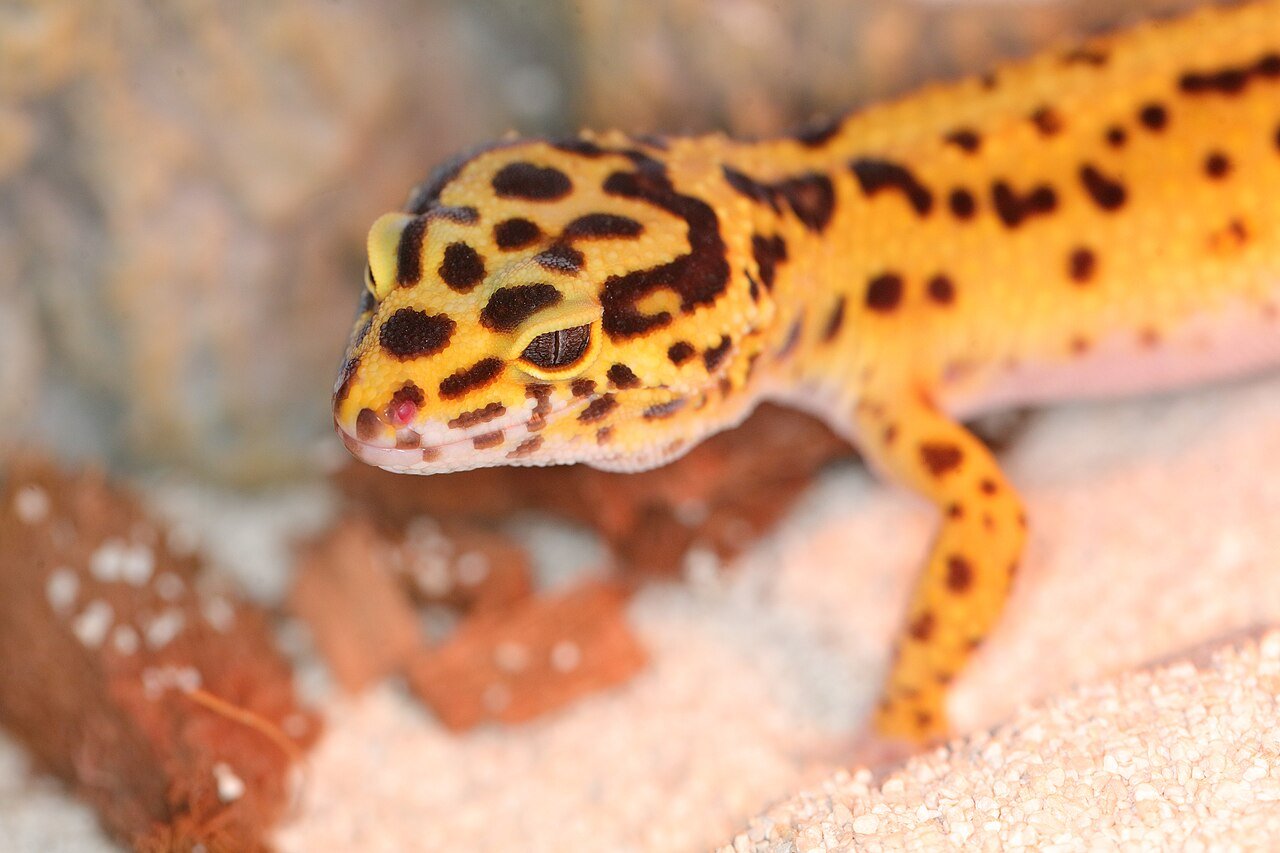
| Leopard gecko | 18–25 cm | 15–20 yrs | Calm, insect diet, modest space | Needs proper heat and three hides. See our care sheet |
| Corn snake | 1.2–1.5 m | 15–20 yrs | Docile, eats frozen-thawed mice, hardy | Escape artist, so the enclosure must lock |
| Bearded dragon | 40–60 cm | 10–15 yrs | Personable, active by day | Needs a 4×2×2 ft enclosure, strong UVB, daily greens. See our care guide |
| Crested gecko | 20 cm | 15–20 yrs | Room-temperature friendly, commercial diet | Doesn’t tolerate heat above about 28 °C |
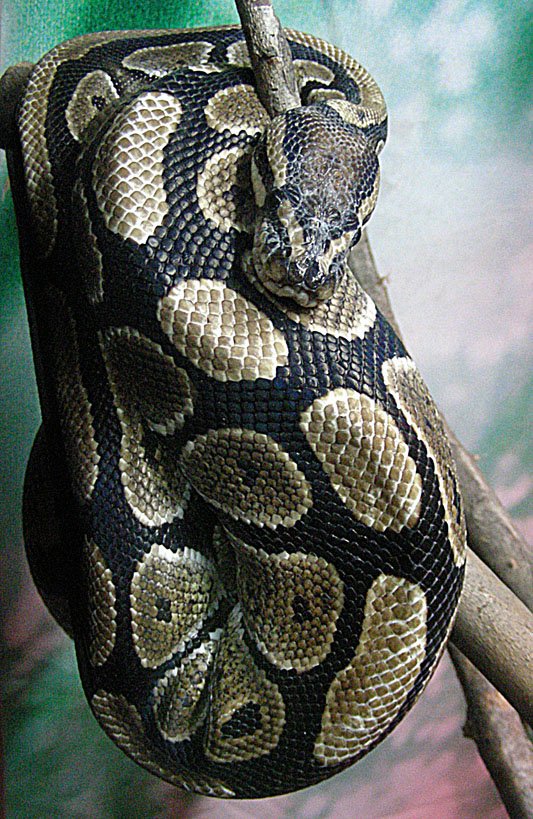
| Royal (ball) python | 1–1.5 m | 20–30 yrs | Gentle, slow-moving | Can be a fussy feeder, humidity matters |
| Horsfield’s tortoise | 15–20 cm | 40–50+ yrs | Hardy, can go outdoors in summer | Lives decades, needs a big indoor table and UVB |
The UK climate means almost every reptile needs indoor heating and UVB year-round. Running costs for electricity, bulbs and food are real: budget £15–£40 a month for a typical setup, plus vet costs. Our UVB guide and tank size guide explain the setup in detail.
7. Reptiles we’d steer beginners away from
- Green iguanas grow up to 1.8 m, need room-sized enclosures, and can be aggressive as adults.
- Large monitors such as water and Nile monitors are intelligent and powerful, and need specialist housing.
- Chameleons stress easily and have strict humidity and ventilation needs.
- Large constrictors like Burmese and reticulated pythons need a two-person handling rule.
- Any DWA species without professional-level experience.
8. Native UK reptiles
The UK’s six native reptiles (adder, grass snake, smooth snake, common lizard, sand lizard and slow worm) are protected under the Wildlife and Countryside Act 1981. Taking them from the wild is illegal. Smooth snakes and sand lizards are also European Protected Species, so even disturbing them is an offence. Enjoy them in the wild, and report sightings to your local amphibian and reptile group (ARG UK).
FAQ
Do I need a licence for a snake in the UK?
Not for non-venomous species like corn snakes, kingsnakes, boas and pythons. Venomous snakes need a DWA licence from your council.
Can you own a crocodile in the UK?
Only with a DWA licence, which requires inspection, secure facilities and insurance. Very few private keepers get one.
Can you keep a Komodo dragon?
Not realistically. Komodo dragons are CITES Appendix I (Annex A) and endangered, and they’re kept only by zoos in conservation breeding programmes.
Can I buy a tortoise without paperwork?
For Hermann’s, spur-thighed and marginated tortoises, no. The seller must provide a valid Article 10 certificate. Other species should still come with proof of captive breeding.
Are red-eared sliders illegal in the UK?
Owning one you already have is legal. Breeding, selling or releasing them has been banned since 2019.
Is it legal to keep a reptile in a rented flat?
Animal law doesn’t stop you, but your tenancy agreement might. Check with your landlord.
Sources: Dangerous Wild Animals Act 1976 and (Modification) (No. 2) Order 2007; Animal Welfare Act 2006; Animal Welfare (Licensing of Activities Involving Animals) (England) Regulations 2018; APHA guidance on CITES and Article 10 certificates; Invasive Alien Species (Enforcement and Permitting) Order 2019; Wildlife and Countryside Act 1981. Last checked November 1, 2026. Not legal advice.