Disclosure: This article contains affiliate links. If you buy through them we may earn a small commission at no extra cost to you. We only recommend gear that meets current reptile care guidelines. See our affiliate disclosure.
Short answer: Yes, bearded dragons can eat blueberries, but only as an occasional treat. Blueberries are safe and non-toxic, and most dragons love them. They also have a poor calcium-to-phosphorus ratio and plenty of sugar, so feed one to three berries a week to an adult, and fewer to a juvenile.
What’s actually in a blueberry?
Bearded dragon diets come down to minerals and sugar. Per 100 g of raw blueberries, USDA FoodData Central lists roughly:
- Calcium: about 6 mg
- Phosphorus: about 12 mg
- Sugars: about 10 g
- Water: about 84%
- Oxalates: low
Reptile vets generally want a dragon’s overall diet to supply calcium and phosphorus at around 1.5:1 to 2:1 (calcium higher). Blueberries come in near 1:2, the wrong way round. A diet heavy in phosphorus and light in calcium is one of the classic routes to metabolic bone disease (MBD), the most common serious nutritional illness in captive dragons. One blueberry won’t cause it, but a daily bowl of fruit can push things in the wrong direction over months.
The sugar matters too. Wild bearded dragons in arid Australia rarely see sweet fruit. In captivity, a lot of sugar is linked to obesity, fatty liver disease, dental disease (dragons have acrodont teeth that don’t regrow) and loose stools.
Are there real benefits?
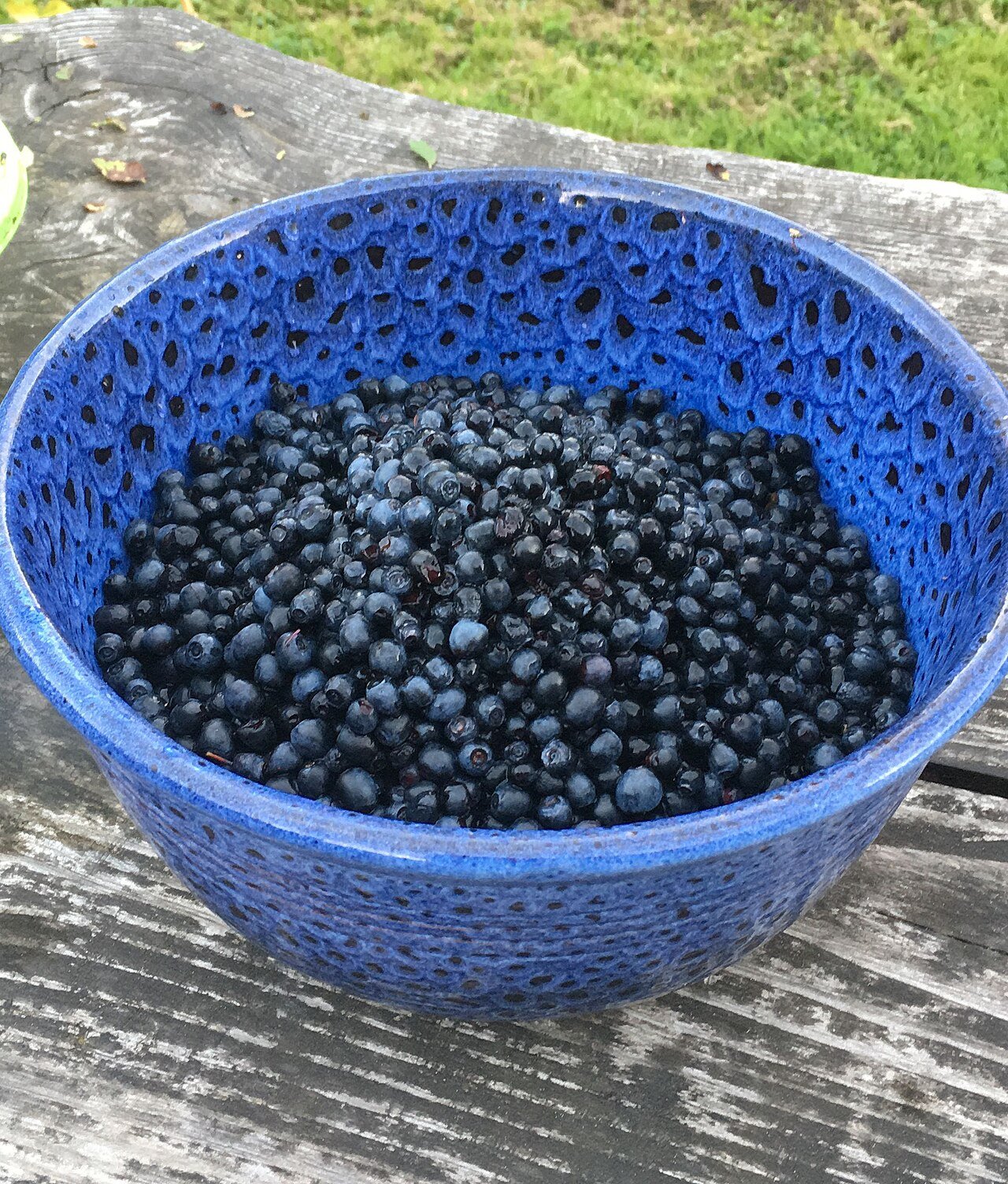
A few, modestly:
- Hydration. Many dragons don’t drink from a bowl, and juicy fruit adds a little water.
- Appetite help. The colour and sweetness can tempt a fussy dragon into eating its salad. Chopping a blueberry over the greens is a well-worn keeper’s trick.
- Antioxidants and vitamins. Blueberries contain vitamin C, vitamin K and anthocyanins. Nobody has studied whether these help reptiles in particular, so treat that as a bonus, not a reason to feed them.
How many blueberries, and how often?
| Age | Amount | Frequency |
|---|---|---|
| Babies (under 6 months) | 1 berry, cut into quarters | Every week or two at most |
| Juveniles (6–12 months) | 1–2 berries, halved | Once a week |
| Adults (12 months+) | 2–3 berries | Once or twice a week |
Treat fruit as no more than about 10% of the plant part of the diet. The other 90% should be calcium-rich greens like collard, mustard and turnip greens, dandelion, endive and squash. Our safe foods list covers the staples.
How to prepare blueberries
- Wash them well. Blueberries often show up on pesticide-residue lists, so rinse thoroughly or buy organic.
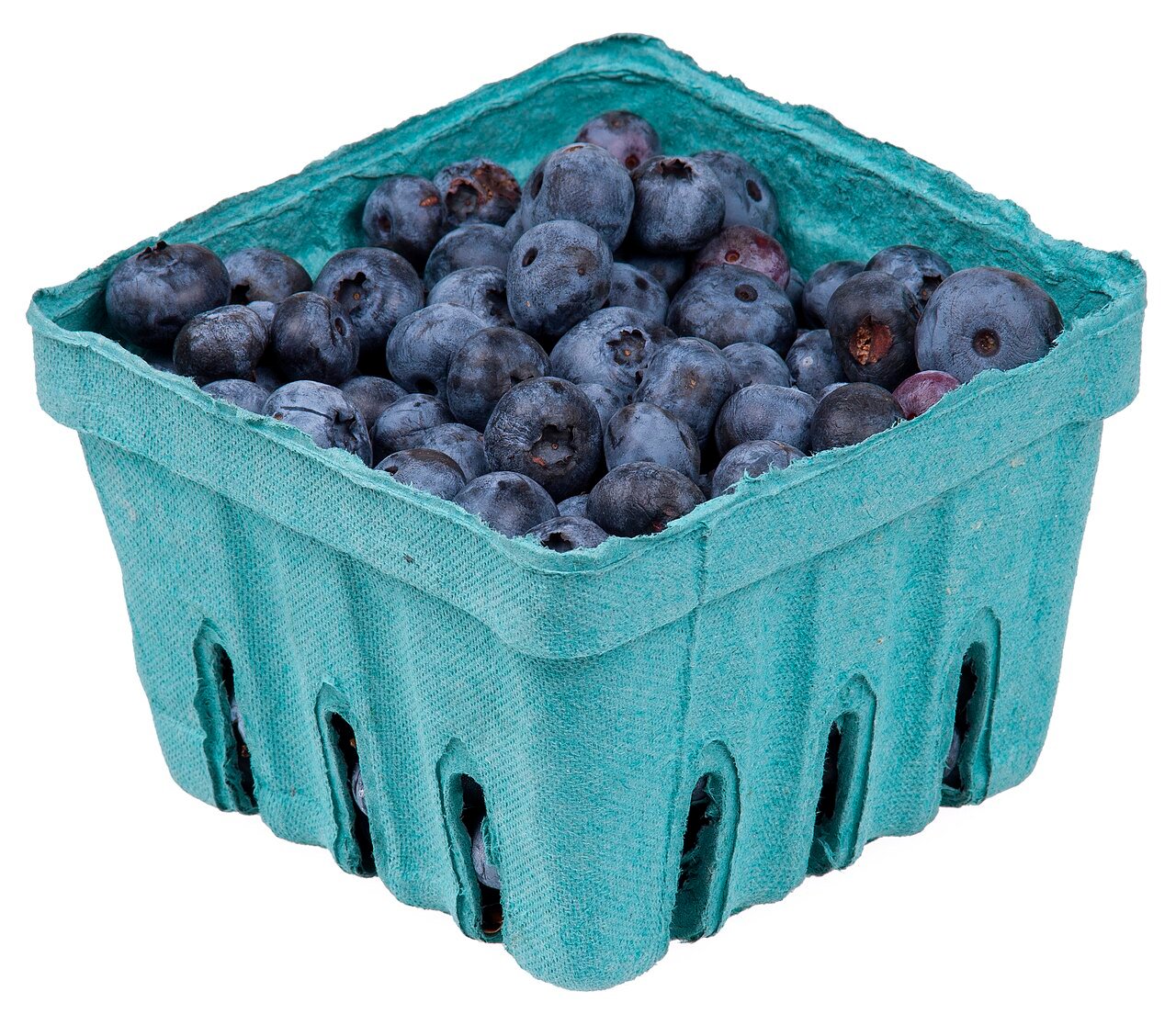
- Cut them up. A whole blueberry is a choking risk for babies and small juveniles. Halve or quarter it. The old rule of thumb is that nothing should be wider than the space between your dragon’s eyes.
- Serve it on the salad, not alone. Mixing pieces into the greens keeps the treat from becoming the whole meal.
- Remove leftovers. Fruit spoils and draws fruit flies within hours in a warm enclosure.
Thawed frozen blueberries are fine, as long as they’re plain with no syrup. Never feed dried blueberries, blueberry jam or muffins. Drying concentrates the sugar, and processed foods often contain added sugar, preservatives and sometimes xylitol.
What about blueberry leaves and stems?
Pull off any stems. There’s little reliable data on blueberry leaves for reptiles, so we skip them. Dragons have plenty of well-documented safe greens to eat instead.
Signs you’ve been feeding too much fruit
- Runny, smelly stools or diarrhoea
- Refusing greens and waiting for the treat
- A thick tail base and fat pads above the eyes, plus a belly that drags (obesity)
- Over the longer term: soft jaw, tremors or twitching, or bowed legs. These can be signs of MBD and need a reptile vet promptly.
Read more about these warning signs in our bearded dragon health guide.
Better fruit options to rotate with
If you want to offer fruit, rotate rather than relying on one type. Papaya and figs have a better calcium balance than most fruit. Strawberries, mango and raspberries are fine occasionally, like blueberries. See our posts on strawberries and mango, plus the unsafe foods list. Avocado, rhubarb, citrus and onion are on it for good reasons.
Don’t forget the supplement
Whatever treats you offer, most keepers dust insects with a phosphorus-free calcium powder at most feedings, and use a reptile multivitamin about once a week. How much vitamin D3 they need depends on whether your UVB lighting is good. See our UVB lighting guide, and follow your vet’s advice for your own dragon.
Why most dragons love fruit (and why that’s a trap)
Bearded dragons are drawn to bright colours, especially reds, yellows and blues, and they quickly learn which bowl brings the sweet stuff. In the wild, fruit and flowers are a rare seasonal bonus. In captivity it’s always available, so a dragon that “only eats blueberries” is usually one that’s been offered them too often. It’s a learned preference, not a nutritional need, and you can undo it with patience.
Juveniles are the most at risk. They’re growing fast, need a lot of calcium and protein, and have small stomachs. Every bite of blueberry takes the place of a bite of collard greens or a dusted cricket.
A sample weekly plan for an adult
- Daily: A fresh salad of 2–3 staple greens (collard, mustard, turnip greens, dandelion, endive) with some squash or bell pepper.
- 2–3 times a week: 5–10 appropriately sized feeder insects (dubia roaches, crickets, black soldier fly larvae), dusted with calcium. Check live dubia roaches on Amazon
- Once or twice a week: 2–3 blueberries, halved and mixed into the salad.
- Weekly: Multivitamin dust on one insect feeding. Check reptile multivitamin powder on Amazon
The bearded dragon feeding guide covers how this shifts for babies and juveniles. Young dragons eat insects daily and fewer greens.
Wild-picked berries?
Don’t feed foraged berries unless you’re sure of the species and that nothing was sprayed. Several lookalike berries are toxic, and roadside plants pick up pollutants.
FAQ
Can baby bearded dragons eat blueberries?
Yes, in tiny amounts. A quartered berry now and then is plenty. Babies need protein from insects and calcium-rich greens to grow, so don’t let fruit fill them up.
Can bearded dragons eat blueberry skin?
Yes, the skin is part of the berry and is safe. Just wash it well.
Can bearded dragons eat frozen blueberries?
Yes, once they’re fully thawed to room temperature. Never serve them frozen.
Are blueberries better than bananas for bearded dragons?
Slightly. Both have more phosphorus than calcium, but bananas are worse. See can bearded dragons eat bananas.
My dragon only eats fruit. What do I do?
Stop the fruit for a while. Then use tiny pieces of blueberry as “sprinkles” on a mostly-greens salad, and slowly reduce them. A healthy dragon won’t starve itself when there are greens in front of it. If it isn’t eating anything at all, read how long bearded dragons can go without food and talk to your vet.
Sources: USDA FoodData Central (blueberries, raw); Mader, Reptile Medicine and Surgery (2nd ed.); Association of Reptilian and Amphibian Veterinarians (ARAV). This article is general husbandry information, not veterinary advice.
This guide is part of our bearded dragon care guides hub.
Related: Can bearded dragons eat apples.