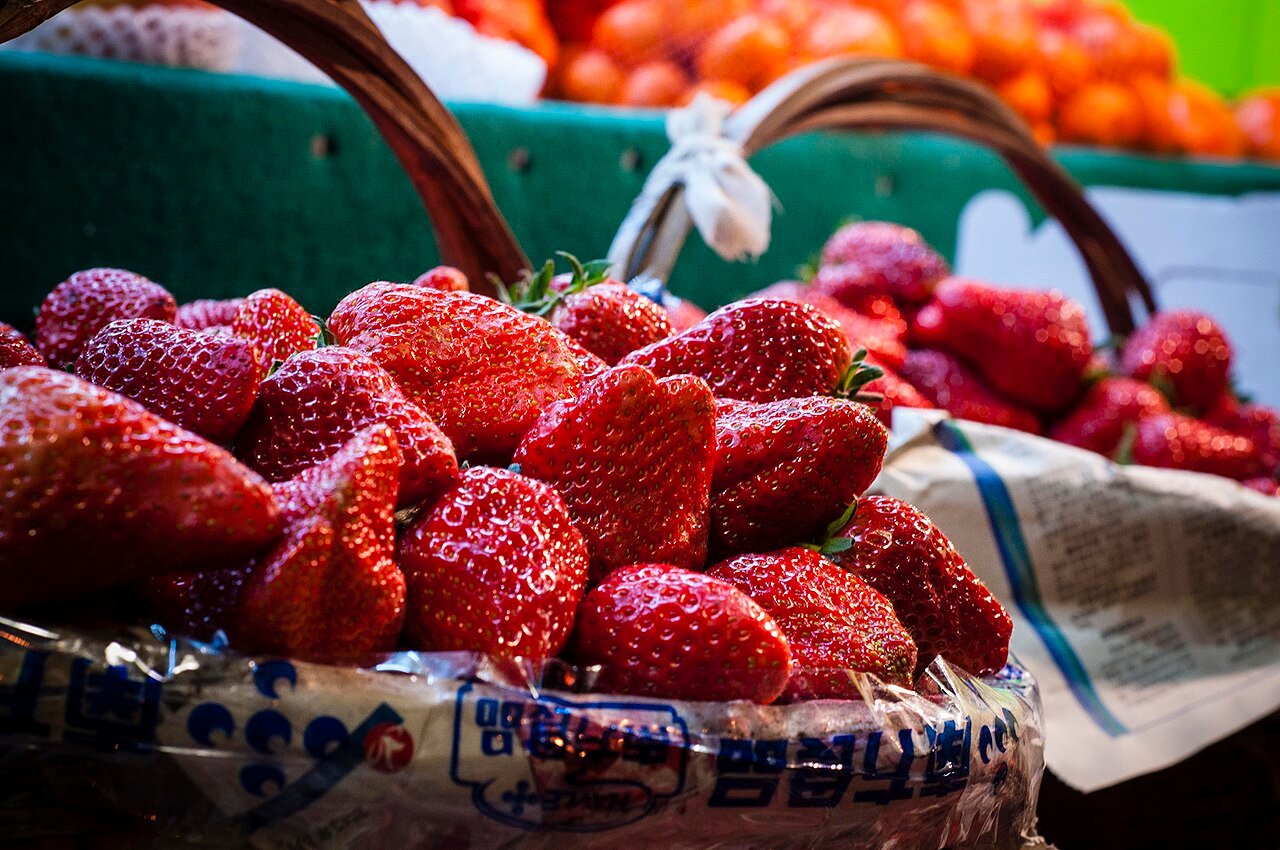
Can Bearded Dragons Eat Strawberries?
Yes, bearded dragons can eat strawberries, but only in small amounts as an occasional treat. Strawberries are not a staple food for bearded dragons. Fruit should play a much smaller role in the diet than leafy greens and vegetables, which should make up the core of the plant side of their feeding routine.
That means strawberries can fit into a balanced diet once in a while, but they should never replace better everyday foods like dark leafy greens and appropriate vegetables. Adults can usually have a small amount occasionally, while juveniles should have even less because their diets need to stay more focused on growth and overall balance.
Are Strawberries Safe for Bearded Dragons?
Yes, strawberries are generally safe in small amounts. The important point is that safe does not mean ideal for frequent feeding.
So the answer is simple: strawberries are safe as an occasional extra, not as a routine food.
Why Strawberries Should Only Be an Occasional Treat
Strawberries are sweet, and sweet fruit is easy to overfeed. Fruit should stay secondary to greens and vegetables.
There are three simple reasons to limit strawberries:
- they are sweeter than staple greens and vegetables
- they should not crowd out more useful plant foods
- too much fruit can make the diet less balanced over time
How Often Can Bearded Dragons Eat Strawberries?
For an adult bearded dragon, strawberries should be an occasional treat rather than a routine part of the weekly diet. A small amount once in a while is enough. Younger dragons should get even less because their feeding balance is different from adults.
A practical rule looks like this:
- Adults: a small amount occasionally
- Juveniles: very rarely, and only in tiny amounts
- Babies: best avoided
How Much Strawberry Can a Bearded Dragon Eat?
Keep the serving small. Think in terms of one small strawberry cut into tiny pieces, or even less, rather than offering a large portion.
A simple serving approach is:
- one or two tiny bite-sized pieces for an adult
- a tiny taste only for an older juvenile, if offered at all
- no frequent servings and no large portions
If you are unsure, it is safer to feed less rather than more.
How to Prepare Strawberries for a Bearded Dragon
If you decide to offer strawberries, keep the preparation simple.
- Wash the strawberry thoroughly.
- Remove the stem and leaves.
- Cut the fruit into very small pieces.
- Offer only a tiny amount.
- Remove any uneaten fruit before it spoils.
Can Bearded Dragons Eat Strawberry Tops or Leaves?
It is simplest to remove the leafy top and offer only the fruit flesh in small pieces. The goal is to keep the serving clean, easy to portion, and easy for the dragon to eat.
Can Baby or Juvenile Bearded Dragons Eat Strawberries?
It is better to be more cautious with younger dragons. Juveniles need a different feeding balance than adults and generally require a more insect-heavy diet while they are growing. That is one reason fruit should play an even smaller role for younger bearded dragons.
If strawberries are offered to a juvenile at all, the amount should be very small and very infrequent.
What Are Better Alternatives to Strawberries?
If your goal is better daily nutrition, staple greens and rotating vegetables are stronger choices than fruit.
Better everyday choices often include:
- collard greens
- mustard greens
- turnip greens
- dandelion greens
- bok choy
- other safe rotating vegetables
Strawberries can be a treat, but they should not compete with the foods that form the foundation of the diet.
Signs Strawberries Do Not Agree With Your Dragon
Whenever you offer a new food, watch for changes afterward.
Pay attention to things like:
- looser stools than normal
- reduced appetite afterward
- obvious digestive upset
- disinterest or refusal
If something seems off, stop offering strawberries and return to the normal diet. If your dragon shows ongoing appetite loss, lethargy, or other concerning symptoms, it is smart to contact a reptile-savvy veterinarian.
Final Verdict
Yes, bearded dragons can eat strawberries, but only as a small occasional treat. Strawberries are safe in moderation, but they are not an important part of a healthy bearded dragon diet.
If you offer strawberries, keep it simple:
- small amount
- rarely
- wash them well
- remove the top
- cut into tiny pieces
- never instead of staple greens and vegetables
If you want to feed your bearded dragon well over the long term, focus on staple greens, rotating vegetables, appropriate live prey, and proper supplementation first. Fruit should always stay secondary.
Strawberry Nutrition at a Glance
The main reason strawberries stay a treat is the balance of minerals and sugar. Bearded dragons need more calcium than phosphorus in their diet overall; veterinary sources such as VCA commonly cite a target calcium-to-phosphorus (Ca:P) ratio of roughly 1.5–2:1. Strawberries fall below that, while staple greens like collards sit well above it.
| Food (raw, per 100 g) | Calcium | Phosphorus | Approx. Ca:P | Sugars | Role in diet |
|---|---|---|---|---|---|
| Strawberries | ~16 mg | ~24 mg | 0.7 : 1 | ~4.9 g | Occasional treat |
| Blueberries | ~6 mg | ~12 mg | 0.5 : 1 | ~10 g | Occasional treat |
| Mango | ~11 mg | ~14 mg | 0.8 : 1 | ~13.7 g | Occasional treat |
| Collard greens | ~232 mg | ~25 mg | 9 : 1 | ~0.5 g | Staple green |
| Mustard greens | ~115 mg | ~43 mg | 2.7 : 1 | ~1.3 g | Staple green |
Strawberries do offer vitamin C (around 59 mg per 100 g) and lots of water (about 91%), but bearded dragons make their own vitamin C, so this is not a reason to feed more. The low Ca:P ratio and the sugar are the reasons to keep portions tiny.
Why Calcium Balance Matters
A diet that is consistently low in calcium relative to phosphorus, especially combined with inadequate UVB lighting, is a well-documented contributor to metabolic bone disease (MBD). One strawberry piece will not cause this on its own, but a habit of filling the bowl with fruit instead of high-calcium greens can tip the overall diet the wrong way over time. Pair a good diet with correct UVB lighting and calcium dusting of feeder insects.
A Sensible Treat Schedule
There is no single official rule, but many vet and welfare sources suggest fruit should make up only a small fraction of an adult dragon’s plant intake (often cited as around 10% or less). A practical way to apply that:
- Adults: one or two thumbnail-sized pieces of strawberry, no more than about once a week, and not in the same week as other sugary fruits.
- Juveniles: a single tiny piece occasionally at most; prioritise insects and greens.
- Babies: skip fruit.
- Mix it in: chop the piece small and mix it into a salad of staple greens rather than serving it alone, so the dragon does not learn to pick out only the sweet food.
Organic, Frozen, Dried or Jam?
- Fresh (ideally organic): strawberries are often listed among produce with higher pesticide residues, so wash them very well or choose organic when possible.
- Frozen: plain, unsweetened and fully thawed to room temperature is acceptable occasionally.
- Dried strawberries: avoid. Drying concentrates sugar and they are often sweetened.
- Jam, yogurt, sweets or anything strawberry-flavoured: never. Added sugar, dairy and additives are not appropriate for reptiles.
Frequently Asked Questions
Can bearded dragons eat strawberries every day?
No. Strawberries should only be an occasional treat, not a daily food.
Can juvenile bearded dragons eat strawberries?
They can have much less than adults, and it is better to be very cautious because younger dragons need a more growth-focused feeding balance.
Can bearded dragons eat frozen strawberries?
Fresh strawberries in tiny amounts are the better option. If frozen strawberries are ever used, they should be fully thawed and plain, with no added sugar or other ingredients.
Can bearded dragons eat strawberry tops?
It is simplest to remove the tops and offer only the fruit flesh in small pieces.
What is better than strawberries for regular feeding?
Dark leafy greens and appropriate vegetables are much better regular foods than fruit.
Sources
- VCA Animal Hospitals: Bearded Dragons: Feeding
- RSPCA: Bearded dragon care and welfare
- Merck Veterinary Manual: Routine Health Care of Reptiles
- USDA FoodData Central (nutrient values, raw food, per 100 g; values are approximate and vary by sample)
This page is general education based on published veterinary and nutrition sources, not hands-on testing or a substitute for a reptile vet. If your dragon is unwell, contact a qualified exotics veterinarian (you can search the ARAV vet finder).
This guide is part of our bearded dragon care guides hub.
Related Bearded Dragon Guides
- Can bearded dragons eat blueberries
- Can bearded dragons eat mango
- Safe foods list for bearded dragons
- Best UVB light for bearded dragons
Related: Can bearded dragons eat grapes.