Disclosure: This article contains affiliate links. If you buy through them we may earn a small commission at no extra cost to you. See our affiliate disclosure. This guide is general, researched information and is not a substitute for an exam by a reptile veterinarian.
A good crested gecko tank is tall rather than wide: at least 18 × 18 × 24 inches (45 × 45 × 60 cm) for one adult, packed with branches and plants to climb, kept at roughly 72–78 °F (22–26 °C) with no prolonged temperatures above about 82 °F (28 °C), and misted to create a daily humidity cycle of about 50–70% with spikes after misting. Add a moisture-holding substrate, a feeding ledge up high, a thermometer and hygrometer, and optional low-level UVB, then run everything for a few days before your gecko moves in.
This step-by-step guide walks through each part of a crested gecko setup, with a complete checklist at the end. For the full care overview, see our crested gecko care sheet.
Step 1: Choose the right enclosure
Size
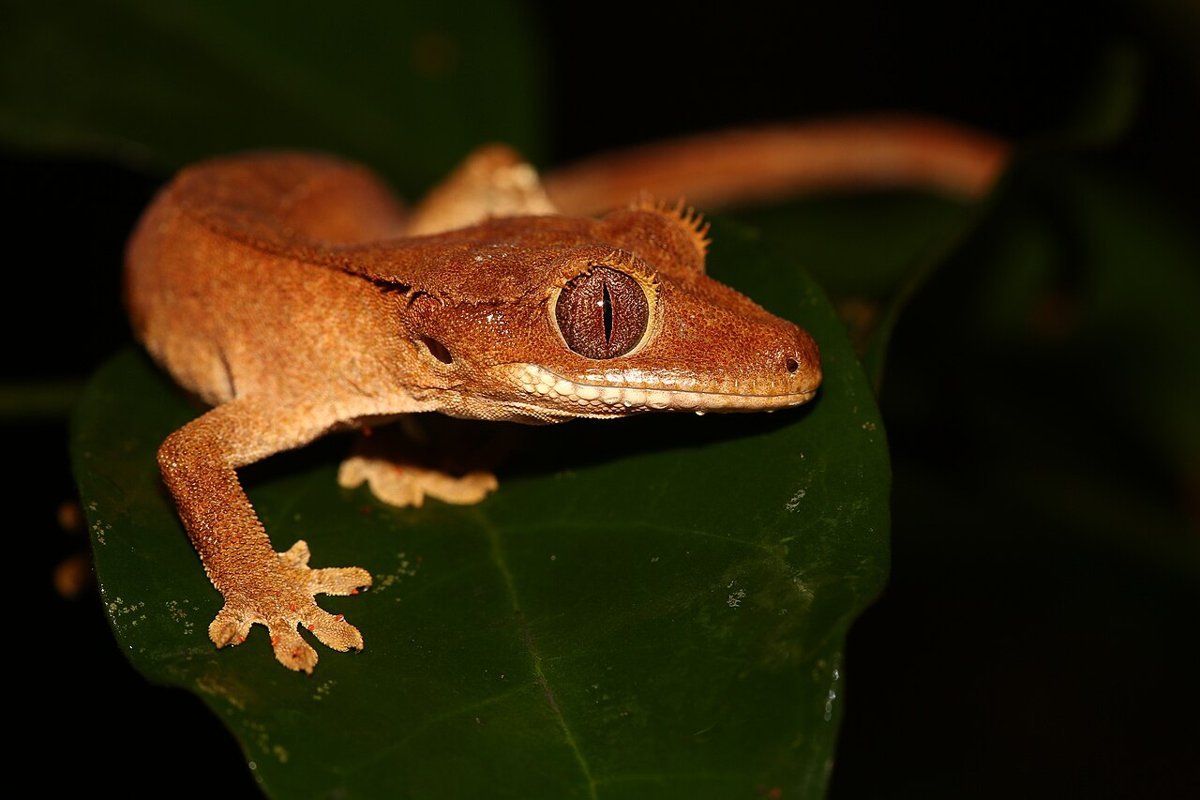
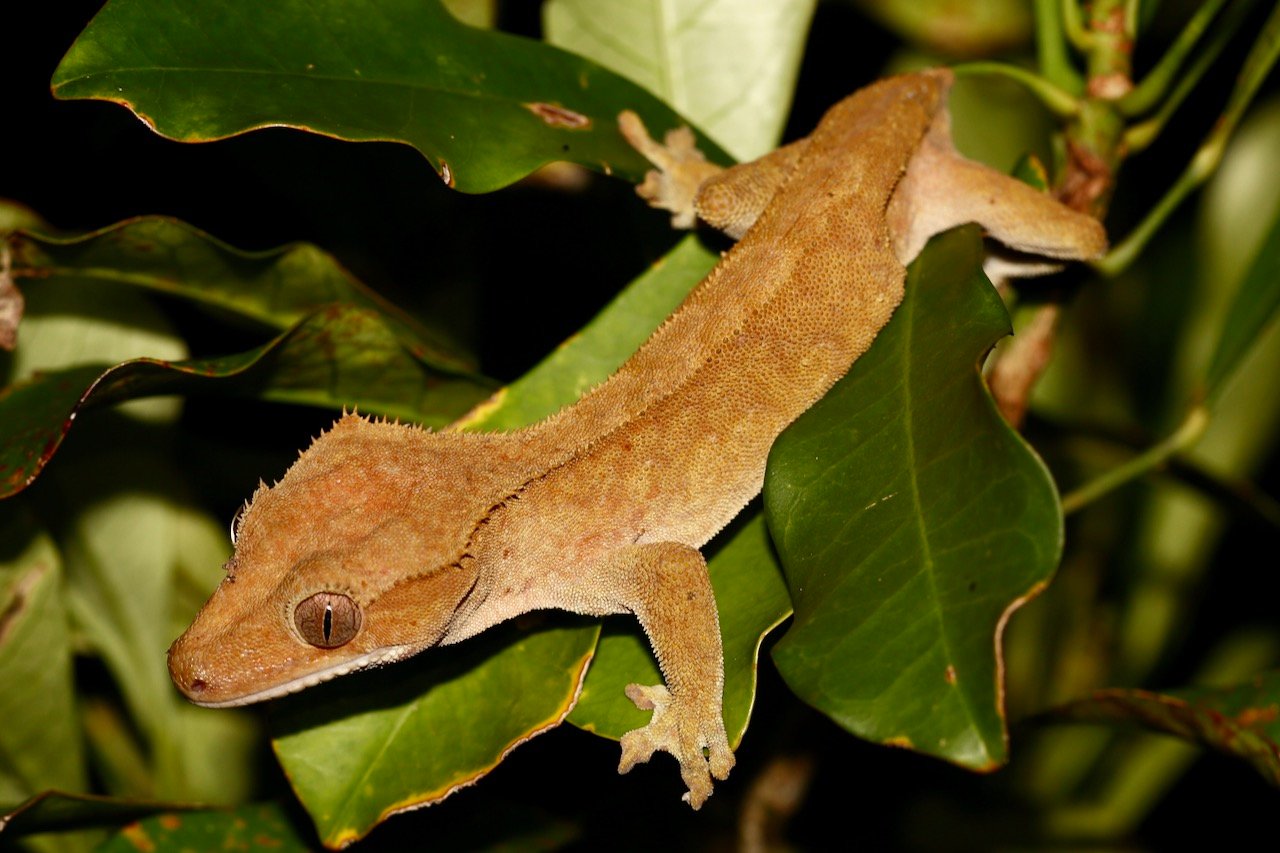
Crested geckos (Correlophus ciliatus) are arboreal. They spend most of their time climbing and jumping between branches, so height matters more than floor space. The RSPCA recommends a minimum of 45 × 45 × 60 cm (about 18 × 18 × 24 in) for one adult. Larger enclosures such as 18 × 18 × 36 in or 24 × 18 × 36 in give more climbing room and a better temperature and humidity gradient.
Babies and juveniles
Hatchlings can struggle to find food in a large enclosure. Many keepers start babies in a smaller, well-ventilated tub or a terrarium of around 12 × 12 × 18 in, then move them up to the adult enclosure as they grow.
Material and style
- Front-opening glass terrariums with a mesh top are the most common choice. Front doors make feeding and cleaning easier and are less stressful than reaching in from above.
- PVC enclosures hold humidity well and are lightweight. Check they have enough ventilation.
- Mesh-only screen cages are hard to keep humid in most homes.
Wherever you put it, keep the enclosure out of direct sunlight, away from radiators and draughts, and in a room that does not overheat in summer.
One gecko per enclosure
Crested geckos do not need company. Males should never be housed together, and mixed pairs will breed. The simplest, safest approach is one gecko per enclosure.
Step 2: Plan temperatures
Crested geckos are sensitive to heat. Overheating is a bigger danger than cold for this species. Our care sheet’s targets, based on vet and welfare-group care sheets, are:
| Zone | Target |
|---|---|
| Daytime ambient | About 72–78 °F (22–26 °C) |
| Warmest spot (upper area) | About 78–82 °F (26–28 °C) |
| Night | A drop to about 65–72 °F (18–22 °C) is fine |
| Avoid | Prolonged temperatures above about 82 °F (28 °C) |
In many homes, room temperature is enough and no heat source is needed. If your room runs cool, add a low-wattage heat source above the mesh on one side, controlled by a thermostat, so the gecko can move away from it. Never use a heat source without a thermostat. Our guide to heating a reptile enclosure compares the options.
Put a digital thermometer probe near the top and another near the bottom so you can see the gradient. In summer, check the enclosure on the hottest days. If the room goes above about 80 °F, you may need to move the enclosure or cool the room.
Step 3: Set up humidity and ventilation
Crested geckos come from New Caledonia, where nights are humid. In captivity, aim for a daily cycle rather than constant wetness:
- Mist once or twice a day, typically in the evening when geckos become active, and optionally in the morning. Humidity should rise to 80% or more after misting.
- Let it dry back to around 50–70% during the day. A constantly soaked enclosure with stagnant air encourages mould, bacteria and skin problems.
- Measure it with a digital hygrometer placed mid-height, not right next to the mister.
Crested geckos usually drink water droplets from leaves and glass after misting, so misting is also how many of them drink. A shallow water dish is still a good idea.
If your home is very dry, a moisture-holding substrate, live plants and partly covering the mesh top (with glass or acrylic, leaving some ventilation) all help. An automatic misting system or a fogger on a humidistat can help in very dry climates, but keep cleaning it so it does not breed bacteria.
Step 4: Choose a substrate
| Option | Pros | Cons |
|---|---|---|
| Paper towel | Cheap, easy to check droppings, good for quarantine and babies | Dries fast; needs frequent replacement |
| Coco fibre / soil mix | Holds humidity well, looks natural | Needs spot-cleaning and periodic replacement |
| Bioactive soil mix | Stabilises humidity, supports live plants and clean-up crew | More setup, needs time to establish |
Avoid sand, gravel and other substrates that do not hold moisture or could be swallowed with food. If you feed insects, use a feeding cup or tongs so substrate is not swallowed with them.
Going bioactive
Crested geckos are often described as one of the easiest species to keep in a bioactive vivarium because their humidity needs suit live plants. A typical build, from bottom to top:
- Drainage layer (clay balls or similar)
- Mesh barrier to keep soil out of the drainage layer
- A few inches of bioactive tropical soil mix
- Leaf litter and sphagnum moss
- Clean-up crew such as springtails and small tropical isopods (for example dwarf white isopods)
- Live, reptile-safe plants
Let a bioactive setup settle and grow in before adding your gecko, and expect to replace some substrate over time.
Step 5: Add climbing décor, hides and plants
A bare tank is stressful for a crested gecko. Fill the space so your gecko can climb, hide and jump without long falls.
- Branches and cork bark: mix vertical and horizontal pieces at different heights. Cork bark tubes and flats double as hides.
- Dense foliage: live or artificial plants, especially near the top where geckos like to sleep during the day.
- Hides: at least one hide high up and one lower down. Many keepers also add a humid hide with damp moss to help with shedding.
- Background: a cork or foam background adds climbing surface and grip.
Popular live plants for crested gecko enclosures include pothos, dracaena, snake plant (sansevieria) and bromeliads. Rinse new plants well and, where possible, repot them in fresh soil to remove pesticides and fertiliser pellets before they go in the enclosure.
Step 6: Lighting and UVB
Crested geckos have often been kept without UVB because they eat a supplemented complete diet. More recent guidance suggests low-level UVB may be beneficial, and some veterinary care sheets recommend it for babies and breeding females to help prevent metabolic bone disease. If you add UVB:
- Use a low-output UVB bulb designed for forest or shade-dwelling species.
- Mount it above the mesh on one side so the gecko can climb into plenty of shade.
- Run lights on a timer for about 12 hours a day, with full darkness at night.
- Check the bulb does not push temperatures above the safe range.
Step 7: Feeding and water stations
Crested geckos prefer to eat up high. A magnetic or suction feeding ledge near the top of the enclosure holds a dish of complete crested gecko diet (CGD) and makes it easy to remove leftovers. Offer fresh CGD every few days and remove old food before it spoils. Our crested gecko diet guide covers how much and how often, plus insects.
Add a shallow water dish, refreshed daily, as well as misting.
Step 8: Test before your gecko moves in
Run the enclosure for at least a few days, longer for a bioactive build, and check:
- Temperatures at the top and bottom, morning, afternoon and night
- Humidity before and after misting, and that it dries back during the day
- That lights and heat sources switch on and off correctly on their timers and thermostat
- That doors close securely. Crested geckos are good climbers and escape artists.
Complete crested gecko setup checklist
- 18 × 18 × 24 in (or larger) front-opening terrarium
- Digital thermometer/hygrometer (ideally two probes, top and bottom)
- Pressure mister or automatic misting system
- Coco fibre substrate or a bioactive tropical soil mix
- Cork bark and climbing branches
- Live or artificial terrarium plants
- Magnetic feeding ledge and small dishes
- Complete crested gecko diet
- Optional: low-output forest UVB and a timer
- Optional (cool rooms only): low-wattage heat source plus a thermostat
These are search links to help you compare options. We have not hands-on tested these products.
Common setup mistakes
- Too hot. Heat lamps without a thermostat, or a tank in a sunny window, can quickly push temperatures into the danger zone.
- Too wet, too long. Constant saturation and poor airflow encourage mould and skin problems.
- Too empty. Sparse décor leaves the gecko exposed and stressed, and allows long falls.
- Too big for a baby. Hatchlings in huge tanks may not find their food.
- No way to measure. Guessing temperature and humidity is the root of many health problems.
If your gecko seems lethargic, stops eating, loses weight, or has stuck shed, a droopy jaw or a floppy tail, review the setup and book a visit with a reptile vet through the ARAV vet finder.
Frequently asked questions
What size tank does a crested gecko need?
At least 18 × 18 × 24 in (45 × 45 × 60 cm) for one adult, with height being the key dimension. Bigger is better as long as it is well filled with climbing décor.
Do crested geckos need a heat lamp?
Often not. If your room stays around 72–78 °F, no extra heat is needed. In cooler rooms, a low-wattage heat source on a thermostat can be used. Overheating is the bigger risk.
How often should I mist a crested gecko tank?
Usually once or twice a day, enough for humidity to spike after misting and then dry back to around 50–70%. Adjust to your home, substrate and enclosure.
Can I use a 20-gallon tank for a crested gecko?
A standard 20-gallon long tank is wide and short, which is the opposite of what an arboreal gecko needs. A tall 18 × 18 × 24 in terrarium is a better choice for an adult.
Can crested geckos live with leopard geckos?
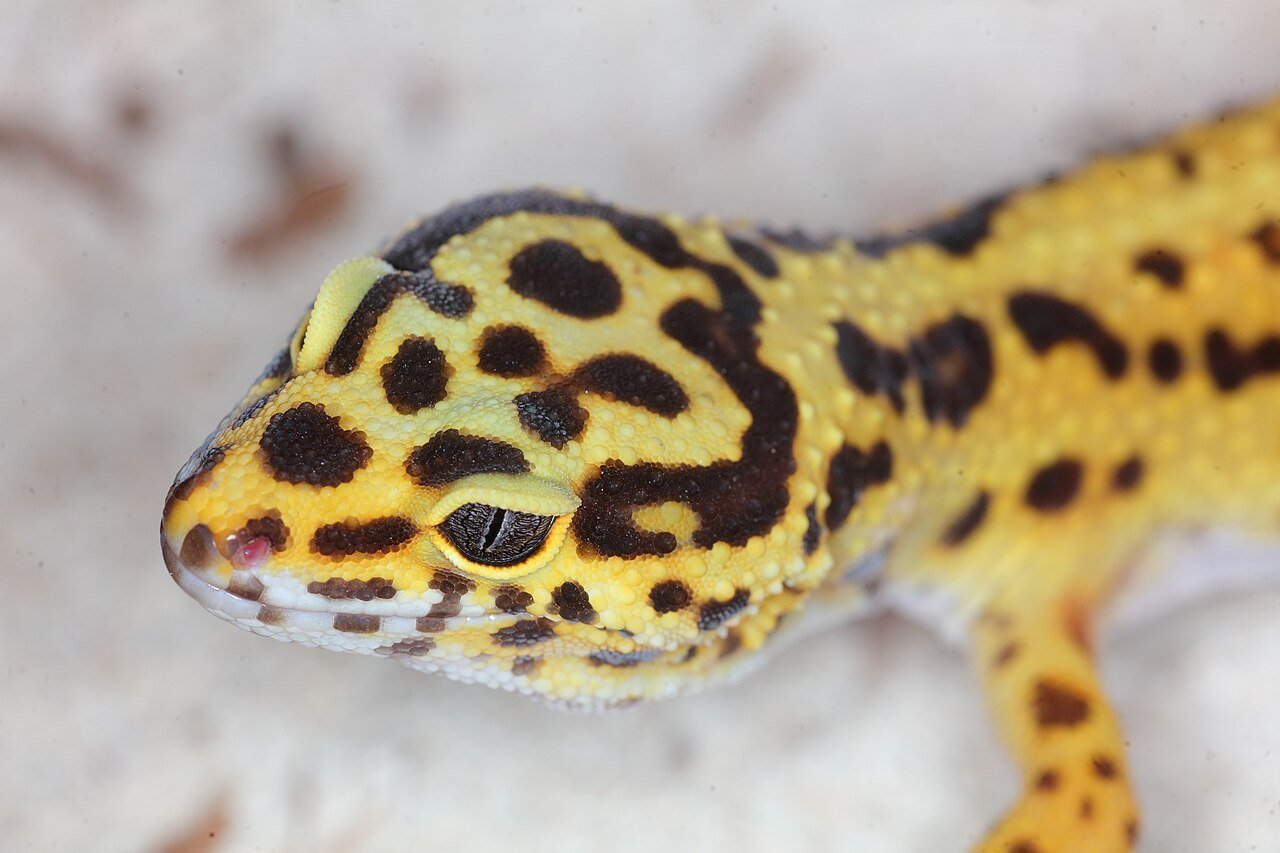
No. They need very different setups (tall and humid versus long and dry), and different species should not be housed together. See our leopard gecko tank setup guide for comparison.
Sources and further reading
- RSPCA: Crested gecko care sheet (PDF)
- PetMD: Crested Gecko Care Sheet
- Tree of Life Exotic Pet Medical Center: Crested Gecko Care
- ARAV: Find a reptile vet
This article is general, researched information and does not replace advice from a qualified reptile veterinarian. Questions or corrections? Contact us at info@myhealthyreptile.com.
Related: crested gecko care sheet, what crested geckos eat and all crested gecko guides.
Related: crested gecko not eating and crested gecko shedding problems.