Disclosure: This article contains affiliate links. If you buy through them we may earn a small commission at no extra cost to you. See our affiliate disclosure. This guide is general, researched information and is not a substitute for an exam by a reptile veterinarian.
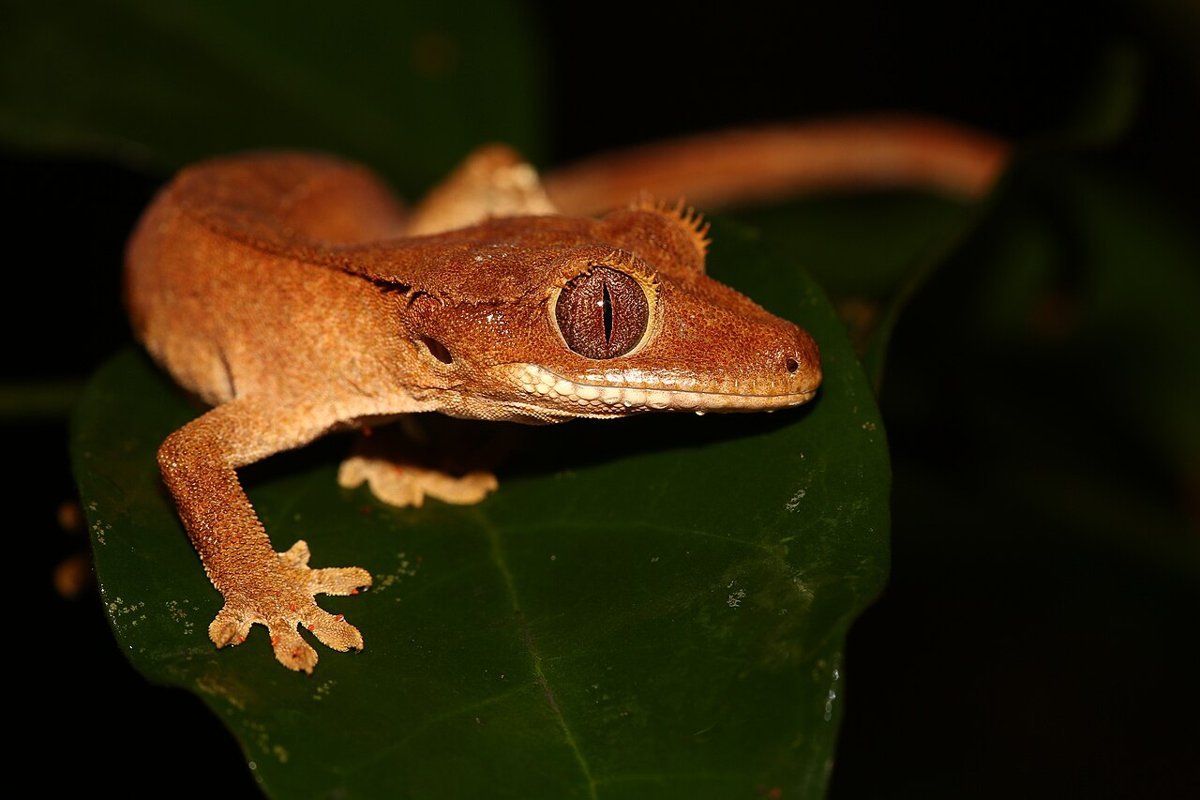
A crested gecko that skips a meal is not automatically ill. Many will eat less around a shed, after a move, or if the enclosure is a little too warm. The warning signs are weight loss, a thinning tail or hips, lethargy, sunken eyes, no stool, or a juvenile that refuses food. PetMD lists refusing food, lethargy, a sunken belly and rapid loss of muscle along the back and tail among the reasons to call a veterinarian, and names metabolic bone disease, parasites and gut impactions among common illnesses in the species. This is a troubleshooting guide, not a reason to wait and guess while a gecko wastes away.
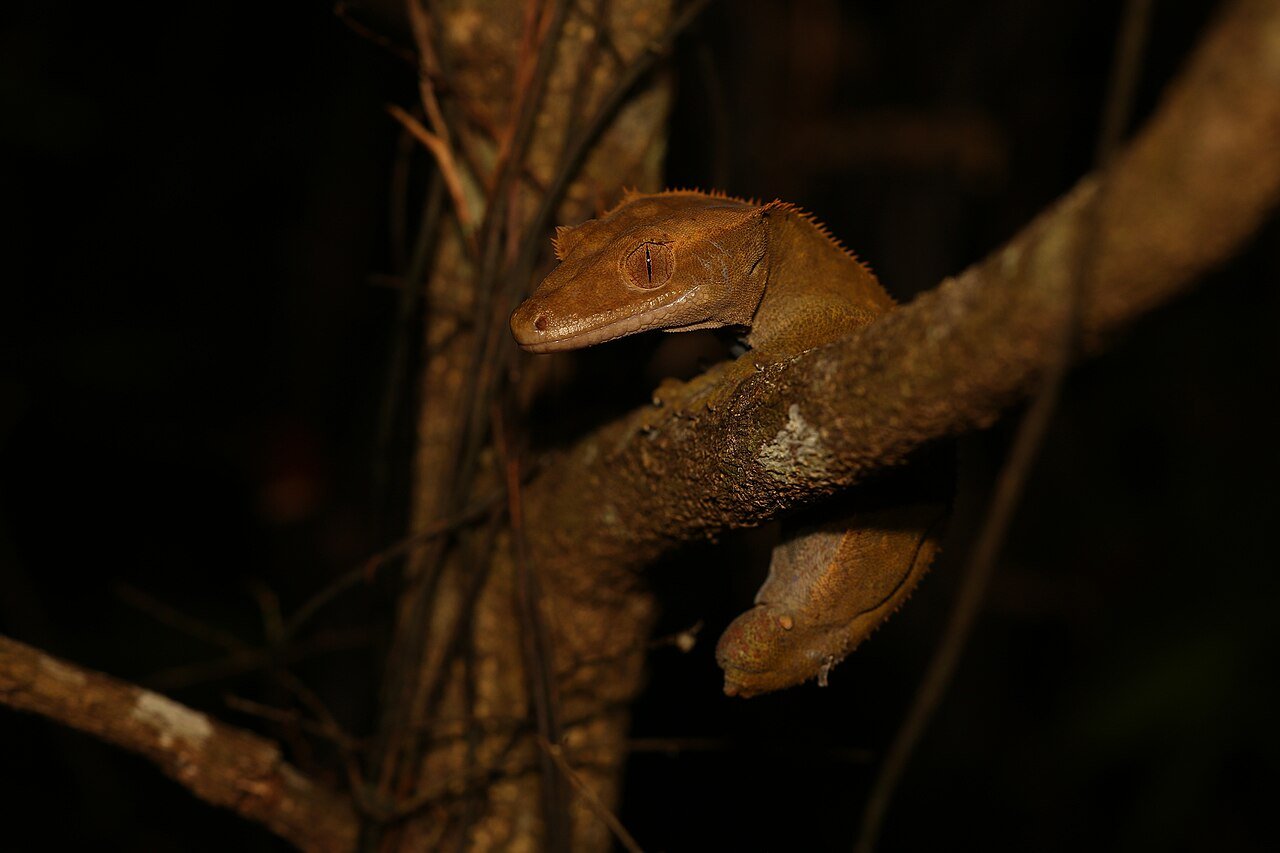
This article covers normal appetite dips, husbandry checks, medical causes, how to weigh your gecko, and when to book a reptile vet. For the staple diet itself, see what crested geckos eat. For temperatures and humidity, see our crested gecko care sheet.
First, weigh the gecko
Appetite is easier to judge with a number than with a glance. Weigh your crested gecko on a digital gram scale, in a small box, at the same time of day once a week, and write the result down. A gecko that is otherwise bright and holding a steady weight can often be watched a little longer while you correct husbandry. A gecko that is losing weight, especially a hatchling or juvenile, should be seen sooner.
Look at body condition as well as the scale. The tail and the area around the hips and pelvis should not look sharply sunken in a well-fed adult. Crested geckos can drop their tails if they are startled or handled roughly, and the tail does not grow back. Never pick a gecko up by the tail, and do not assume a missing tail is “just weight loss.”
When a reduced appetite can be normal
- Settling in. A newly arrived gecko may hide and refuse food for a short time while it learns the enclosure. Keep handling to a minimum, offer fresh crested gecko diet (CGD) on schedule, and watch the weight.
- Shedding. Like other geckos, cresteds often eat less for a day or two when they are cloudy or in shed. Appetite usually returns once the shed is complete. Stuck shed on the toes, mouth or eyes is not normal and should be addressed; PetMD flags stuck shed, especially on swollen toes, as a reason to call a vet.
- Adults versus juveniles. Healthy adults on a complete CGD may only eat a few times a week. Hatchlings and juveniles should be eating more often and growing. A young gecko that stops eating is a higher priority than an adult that skipped one dish.
A short dip with stable weight and a bright, active gecko at night is usually less worrying than a quiet gecko that is getting thinner.
Husbandry checks that often explain a strike
Temperature: too hot is the classic mistake
Crested geckos come from a moderate, humid climate and are sensitive to heat. Our care sheet targets a daytime ambient of about 72–78 °F (22–26 °C), a warmest spot around 78–82 °F (26–28 °C), and a night drop to roughly 65–72 °F (18–22 °C). Several care sheets, including PetMD, warn against prolonged temperatures around 80 °F and above; mid-80s °F can become dangerous quickly. A gecko that is too warm will often hide, stop eating and can deteriorate fast, especially in summer or in a tank that sits in a sunny window or near a radiator.
If the room runs warm, you may need a cooler location, a small fan directed at the side of the enclosure (not as a draft on the gecko), or to stop using a heat source you do not actually need. Always measure with a digital thermometer, not a guess.
Temperatures that are too low
A gecko that is too cool may become sluggish and uninterested in food. If your home is chilly, a low-wattage heat source over part of the enclosure, on a thermostat, can provide a mild gradient. Avoid heat rocks.
Humidity, water and shed
Crested geckos usually need a humidity cycle: a rise after misting, then a dry-back during the day, commonly around 50–70% with short spikes to 80% or more. Chronically wet, stagnant conditions and chronically dry air can both put a gecko off food and interfere with shedding. Offer a shallow water dish as well as droplets from misting. If the gecko is dehydrated (sunken eyes, wrinkled skin, lethargy), that is a veterinary problem, not just a reason to mist more heavily.
The food itself
CGD should be mixed fresh, to a ketchup-like or slightly looser consistency, and replaced before it dries out or spoils, usually within 24 hours. Some geckos are fussy about flavour. It is reasonable to try another reputable brand or flavour if the setup is correct and the gecko is otherwise well, but do not keep switching every day, and do not replace a complete CGD with baby food or plain fruit. Fruit alone is low in calcium and is a treat, not a staple. Insects are optional with a complete diet, but some geckos become more enthusiastic when offered an appropriately sized, calcium-dusted insect once or twice a week.
Stress, lighting and tank mates
Bright all-day lighting, a busy walkway, frequent handling, or housing two males together can suppress appetite. Males should not share an enclosure. Even female groups can go wrong. A gecko that is being bullied may hide and lose weight while the other animal looks fine.
Medical causes that need a vet
If husbandry looks right and the gecko is still off food, or if weight is dropping, a reptile vet should look for medical causes. PetMD lists metabolic bone disease, vitamin A deficiency, intestinal parasites, gastrointestinal impactions, diarrhea, eye problems and skin infections among common illnesses in crested geckos.
- Parasites and gut problems. A faecal exam is a common first test. Loose stool, a swollen or firm belly, or no stool at all should be checked rather than treated with an over-the-counter wormer.
- Impaction. Loose substrate, moss or bits of décor can be swallowed. Feeding CGD in a cup and keeping loose material away from the food dish lowers the risk.
- Metabolic bone disease. A complete CGD is designed to supply calcium, but a gecko that barely eats, is kept too cool, or is given a fruit-only diet can still develop MBD. Tremors, a soft jaw, a crooked spine or an inability to climb are urgent signs.
- Reproductive issues. Adult females can become gravid even without a male and may eat less while forming eggs. Egg binding is an emergency: straining, lethargy and a swollen abdomen need a vet, not more waiting.
- Mouth, eye and shed problems. A gecko that cannot see well, has a sore mouth, or has stuck shed around the face may stop eating.
What you can do while you troubleshoot
- Weigh the gecko and start a log of weights, temperatures and what was offered.
- Check daytime, warm-spot and night temperatures, and humidity before and after misting.
- Offer fresh CGD in a clean cup, in the evening when the gecko is active. Remove uneaten food before it spoils.
- Reduce handling and make sure the gecko has hides and plants to retreat into.
- If the gecko is a new arrival, give it a quiet settling-in period, but do not ignore weight loss.
Do not force-feed, syringe commercial diet, or use supplements or medicines unless a veterinarian has shown you how and prescribed them. A struggling gecko can aspirate food or drop its tail if it is restrained roughly.
When to see a vet
Book a reptile veterinarian if you notice:
- Weight loss, a thinning tail or hips, or a sunken belly
- Lethargy, weakness, tremors or an inability to climb
- No stool, straining, or a swollen, firm abdomen
- Sunken eyes, stuck shed, discharge from the mouth or eyes, or open-mouth breathing
- A hatchling or juvenile that is refusing food
- An adult that is off food and also looks unwell, or whose weight is trending down
Bring the weight log, photos of the enclosure, and the names of the CGD and any supplements you use. Find a reptile vet in advance through the ARAV vet finder.
Helpful supplies
- Digital gram scale for weekly weigh-ins
- Digital thermometer / hygrometer
- Complete crested gecko diet (compare established brands)
- Magnetic feeding ledge and cups
These are search links to help you compare options. We have not hands-on tested these products.
Frequently asked questions
How long can a crested gecko go without eating?
A healthy adult with good body condition may skip a few scheduled meals, especially around a shed. There is no safe universal number of days. Use the scale: stable weight and normal behaviour are reassuring; any downward trend, or a young gecko off food, should be checked.
My crested gecko licks the food but will not eat. Is that normal?
Tasting and then walking away can mean the mix is too thick, too thin, dried out or a flavour the gecko dislikes, or that the gecko is not hungry because of temperature or shed. Refresh the mix and check the enclosure. Repeated tasting without eating, plus weight loss, needs a vet visit.
Should I add honey, fruit juice or baby food to make it eat?
Do not turn a complete diet into a sugar-heavy mix as a routine. A tiny amount of a recommended flavour of CGD is a better first step than baby food. Plain fruit is a treat, not a fix for anorexia, and a fruit-only diet can contribute to metabolic bone disease.
Why did my crested gecko stop eating in summer?
Overheating is the first thing to rule out. Measure the warmest part of the enclosure in the afternoon. Move the tank if it is near a window or heat source, and do not add a basking lamp “just in case.”
Can I keep two crested geckos together so they eat better?
No. Housing is about safety, not appetite. Males fight, and a weaker gecko may be kept from food. One gecko per enclosure is the safest default.
Sources and further reading
- PetMD (Zayas, DVM; reviewed Alfonso, DVM, updated 14 Nov 2025): Crested Gecko Care Sheet
- RSPCA: Crested gecko care sheet (PDF)
- PetMD (Jones, VMD): Metabolic Bone Disease (MBD) in Reptiles
- ARAV: Find a reptile vet
This article is general, researched information and does not replace advice from a qualified reptile veterinarian. Questions or corrections? Contact us at info@myhealthyreptile.com.
Related: crested gecko care sheet, what crested geckos eat and all crested gecko guides.
Related: crested gecko tank setup and crested gecko shedding problems.