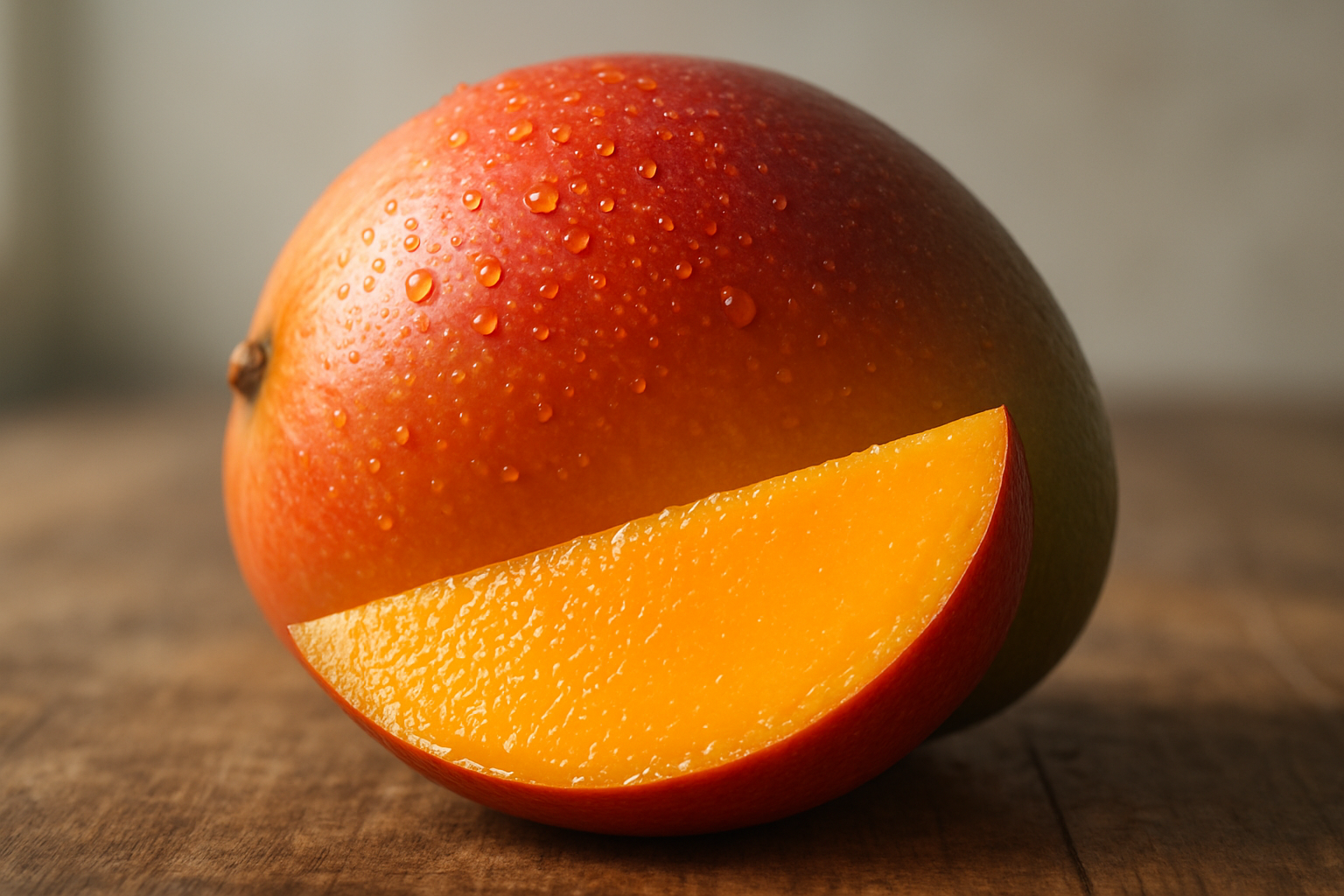
Can Bearded Dragons Eat Mango?
Yes, bearded dragons can eat mango, but only in small amounts as an occasional treat. Mango is not toxic to bearded dragons, but it is sweet and should never replace staple greens, vegetables, and a balanced feeding routine.
For most bearded dragons, mango works best as a rare extra rather than a regular part of the diet. Adults can usually have a small amount once in a while, while juveniles should have even less because their diets should stay more focused on growth needs and proper balance.
Is Mango Safe for Bearded Dragons?
Mango is generally considered safe in small amounts, but that does not make it an ideal staple food. Veterinary feeding guidance for bearded dragons says fruit should make up only a small part of the plant portion of the diet, while leafy greens and vegetables should do most of the work. :contentReference[oaicite:1]{index=1}
That means the real question is not just whether mango is safe. It is whether mango is worth using often. In most cases, the answer is no. It is better treated as an occasional treat than a routine food.
Why Mango Should Only Be an Occasional Treat
Mango is sweet, and sweet fruits are easy to overfeed. Even when a fruit is technically safe, too much can crowd out more useful foods and make the diet less balanced overall. Current veterinary guidance for bearded dragons places fruit in a smaller role than greens and vegetables, which is why mango should stay occasional. :contentReference[oaicite:2]{index=2}
There are three main reasons to be careful with mango:
- it is sweeter than staple greens and vegetables
- it should not replace more useful plant foods
- too much fruit can throw off the balance of the diet
How Often Can Bearded Dragons Eat Mango?
For an adult bearded dragon, a small amount of mango once in a while is usually enough. A good practical rule is to keep mango as an occasional treat rather than a weekly habit.
For juveniles, it is better to be even more conservative. Younger bearded dragons have different feeding priorities and generally need a more growth-focused diet with less room for sugary extras. Current care guidance consistently treats fruit as a minor part of the diet and gives juveniles a more insect-heavy feeding balance than adults. :contentReference[oaicite:3]{index=3}
A simple approach:
- Adults: a small amount occasionally
- Juveniles: very rarely, and only in tiny amounts
- Babies: best avoided
How Much Mango Can a Bearded Dragon Eat?
Keep the serving small. Think in terms of a few tiny bite-sized pieces, not a bowl of fruit.
A practical serving approach is:
- one or two very small pieces for an adult
- a tiny taste only for an older juvenile, if offered at all
- no large chunks and no frequent servings
If you are ever unsure, it is safer to feed less rather than more.
How to Prepare Mango for a Bearded Dragon
If you decide to offer mango, keep it simple and safe.
- Wash the mango thoroughly.
- Remove the skin.
- Remove the pit completely.
- Cut the flesh into very small pieces.
- Offer only a tiny amount.
The goal is to make the fruit easy to eat and easy to control in terms of portion size.
Can Bearded Dragons Eat Mango Skin or Pit?
No. Do not feed mango skin or the pit.
The pit is obviously not appropriate because it is hard and unsafe. The skin should also be removed before feeding. Only the soft flesh should be offered, and only in a small amount.
Can Baby or Juvenile Bearded Dragons Eat Mango?
It is best to be much more cautious with younger dragons. Juveniles generally need a more insect-heavy diet than adults, while adults shift toward a more plant-forward balance. That is one of the clearest themes in current bearded dragon feeding guidance. :contentReference[oaicite:4]{index=4}
Because of that, mango is not something young dragons need. If it is offered at all, it should be very rare and in a tiny amount.
What Are Better Alternatives to Mango?
If your goal is to build a healthier everyday diet, staple greens and useful vegetables are better choices than fruit. Veterinary feeding guidance for bearded dragons recommends dark leafy greens and other vegetables as the core of the plant side of the diet, with fruit staying limited. :contentReference[oaicite:5]{index=5}
Better everyday choices usually include:
- collard greens
- mustard greens
- turnip greens
- dandelion greens
- other safe rotating vegetables
Mango can be a treat, but it should not compete with the foods that actually build the foundation of the diet.
Signs Mango Does Not Agree With Your Dragon
Any time you offer a new food, pay attention to how your dragon responds afterward.
Watch for things like:
- looser stools than normal
- reduced appetite afterward
- obvious digestive upset
- disinterest or refusal
If something seems off, stop offering mango and return to the normal diet. If your dragon shows ongoing appetite loss, lethargy, or other concerning symptoms, it is smart to contact a reptile-savvy veterinarian.
Final Verdict
Yes, bearded dragons can eat mango, but only as a small occasional treat. It is safe in moderation, but it is not an important part of a healthy bearded dragon diet.
If you offer mango, keep it simple:
- small amount
- rarely
- no skin
- no pit
- never instead of staple greens and vegetables
If you want to feed your bearded dragon well over the long term, focus on staple greens, rotating vegetables, appropriate live prey, and proper supplementation first. Fruit should always stay secondary. :contentReference[oaicite:6]{index=6}
Frequently Asked Questions
Can bearded dragons eat mango every day?
No. Mango should only be an occasional treat, not a daily food.
Can juvenile bearded dragons eat mango?
They can have much less than adults, and it is better to be very cautious because younger dragons need a more growth-focused diet.
Can bearded dragons eat dried mango?
It is best to avoid dried mango. Fresh mango in tiny amounts is the better option because dried fruit is more concentrated and easier to overfeed.
Can bearded dragons eat mango skin?
No. Remove the skin and only offer the soft flesh in tiny pieces.
What is better than mango for regular feeding?
Dark leafy greens and appropriate vegetables are much better regular foods than fruit.